#15 Goodbye for Now

Hello everyone, welcome back to my blog.

From the title of this post, maybe you could already guess what this post is going to be. Yes, this is my last entry for now. As we are coming to an end of the semester, that also means the end of this blog. Though maybe in the future I will work on this blog again, however, right now, I am going to have a break first. 

Working on this blog has been a valuable experience. I have always wanted to write a blog, and I am so glad that it happened. Especially I am happy that I could introduce my country to everyone who reads my blog. Even though maybe I could not manage to write about more places. For this last entry, I have prepared to write about places that I want to visit in my country. 

First, we have Labuan Bajo. It is a fishing town located at the western end of the large island of Flores in the Nusa Tenggara region of east Indonesia, and the capital of the West Manggarai Regency (Kabupaten Manggarai Barat). Once a small fishing village, Labuan Bajo is now a tourist centre as well as a centre of government for the surrounding region.
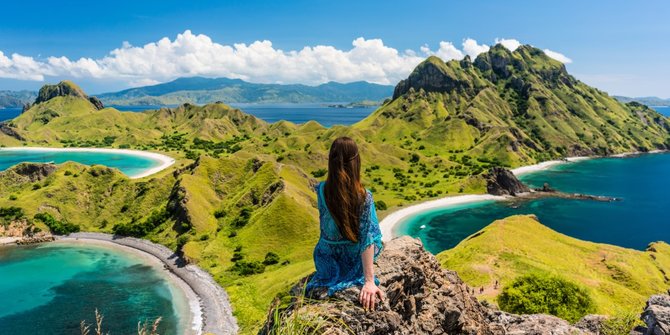
The scenery in Labuan Bajo. (pic credits to : here)

I have always wanted to visit this place because this place has a beautiful landscape. It is also possible to visit the Komodo National Park since it is located nearby the Komodo Island. In this national park, one can see the famous Komodo dragon, a special lizard found in the Indonesian islands of Komodo, Rinca, Flores, and Gili Motang. It is the largest extant species of lizard, growing to a maximum length of 3 metres in rare cases and weighing up to approximately 70 kilograms. It is a 2-hours-flight from Jakarta to Labuan Bajo if it is a direct flight. However, if it is not a direct flight, then it will normally take 4 hours to get there. 

The Komodo dragon. (pic credits to : here)

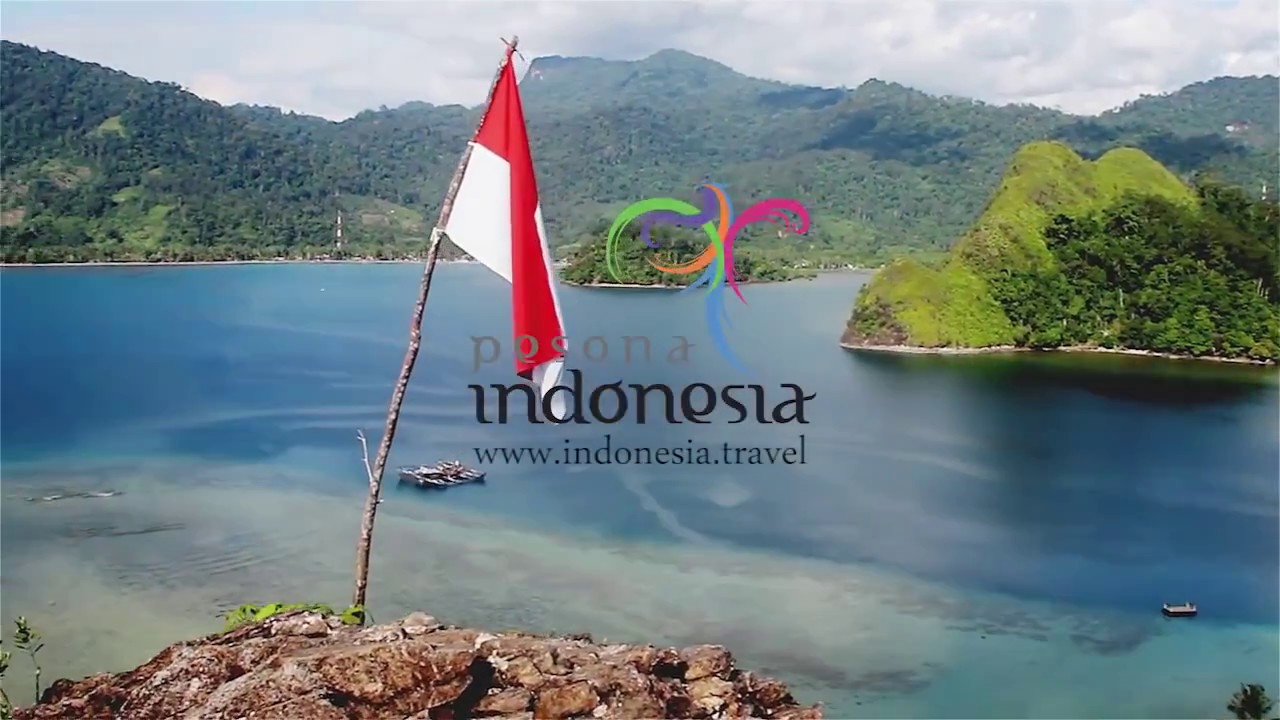
The second place that I want to visit is the Raja Ampat. It is located off the northwest tip of Bird’s Head Peninsula on the island of New Guinea, in Indonesia’s West Papua province. It is an archipelago comprising over 1,500 small islands, cays, and shoals surrounding the four main islands of MisoolSalawatiBatanta, and Waigeo, and the smaller island of KofiauThe header of my blog theme is the picture of Raja Ampat. 

One can also find a beautiful landscape here. However, this place is famous for being expensive, because of the location that is far away, making the plane ticket expensive and also transportation there. Raja Ampat consists of more than 1,000 islands, thus to reach one tourist destination point to other tourist destinations, one has to use a speed boat or a longboat, which does not cost cheap. However, despite the prices, I still want to visit this place, because where on earth could one get magnificent scenery like this?

The wonderful scenery of Raja Ampat. (pic credits to : here)

Right now, those places are still on my bucket list; I hope that it will soon become a reality. For the last words, I want to say that Indonesia has so many other places that are worth seeing. I think it will not be enough to write all about it in only a short amount of time. However, I do hope that this blog still entertains you and maybe also convinced you to visit them. 

Thank you for reading my blog and for your comments and likes. I do hope to see you in my next post, until then goodbye!


#14 Culture Shock and Homesick

Hello everyone! Welcome back to my blog. 

During the last week of my English course, we discussed culture shock and homesick. Therefore, today I am going to write about my experiences with it; and I will also give some tips on how to handle homesickness. Let us get started!

First, let us talk about culture shock. According to the Cambridge dictionary, it means a feeling of confusion felt by someone visiting a country or place that they do not know. It is usually experienced by people who have travelled abroad to work, live or study; it can also be felt to a certain extent when abroad on holiday. I, myself, have experienced it during my first months in Germany.

The one shock that I am still struggling with right now is the way people greet or call each other names. In my country, we would have another word for calling someone older than us. For example, the word Ka, the short form of Kakak, is to call the older sister. There is also the word Pak, the short form of Bapak, to call an older man. For some people, it may seem weird, but that is the way of greeting people in Indonesia. It shows that we respect that person. 

A good representation of the differences on greeting each other. (pic credits to : here)

Therefore, when I first arrived in Germany, I was hesitating of calling someone’s name because I am afraid if I just call their first name, they will think that I am rude. However, I realized later that I do not have to be afraid because those kinds of greetings are not necessary in Germany. Other than that, I do not really have a massive culture shock. I only sometimes miss my local foods back at home. 

Talking about that, let us now talk about homesick. According to the Cambridge dictionary, homesick is an unhappy feeling because of being away from home for a long period. I am not going to lie that I have experienced homesick. I mean, who does not? Especially if that person is living far away from his/her home. I will normally feel homesick when I am alone in my room and not doing anything. During my first months of living alone abroad in Germany, I sometimes will teared up after I talked to my parents on the phone. However, I think I have passed those times; and now I want to give some tips that may be helpful to help your homesickness. 

The first thing that I do when I feel homesick is distracting myself with anything. Homesick can feel much worse when one is not doing anything, so make sure to keep yourself busy with useful things. Next, one may feel angry or frustrated about the new culture. At this stage, one may be conscious of how much he/she dislikes it compared to home. Do not worry because this is a normal feeling. Try to look at things from the other point of view, or try to look at the bright side. This could be a chance to explore the new culture better. 

Homesick is a normal thing but do not let this feeling goes on, because after all, things will get better at the end. For me, right now “home” is not a place anymore; it is where I feel at ease. 

How about you? Have you ever felt culture shock or homesick? And how do you handle it? You can write it in the comment section below! Well, that is all for today and see you in my next post. 

#13 My Favourite Local Foods

Hello everyone, welcome back to my blog. 

Food is one way to know other culture, and today, I am going to introduce you to my favourite local foods. Please note that I have not tried all of my country’s signature dishes because there are a lot of them. Now let us begin!

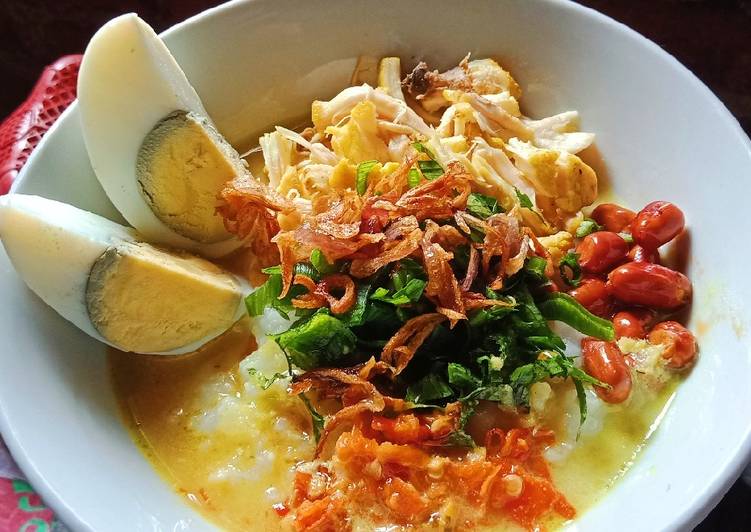
  1. Bubur Ayam (Chicken Porridge)
How chicken porridge normally served. (pic credits to : here)

Just as most European countries eat bread or cereals for breakfast, we have our main dish for breakfast, chicken porridge. It is rice congee with shredded chicken meat served with some condiments, such as chopped scallion, crispy fried shallot, celery, tongcay (preserved salted vegetables), fried soybean, Chinese crullers (youtiao, known as cakwe in Indonesia), and both salty and sweet soy sauce. Sometimes it is topped with yellow chicken broth and kerupuk (Indonesian-style crackers). 

Like I already mentioned before, most of the time, people have it for breakfast, especially office workers, since they do not have time to make breakfast. One can find this food in every part of Indonesia. Usually, this food sold from street vendors and, normally, it only costs 10.000 Rupiah (0.67 cents).

2. Soto Ayam 

A portion of soto ayam. (pic credits to : here)

Soto ayam is our special chicken soup. It is a spicy yellow chicken soup with turmeric as one of its ingredients, which adds the yellow colour. It is served with chicken and noodles, and can also be served with hard-boiled eggs, slices of fried potatoes, Chinese celery leaves, and fried shallots.

This is a traditional soup commonly found in Indonesian cuisine. Just like the chicken porridge, one may be able to find this soup at local street vendors. This is also a type of food that will be served at weddings or special occasions. I prefer to eat this during the rainy season because the soup can make me feel warm. 

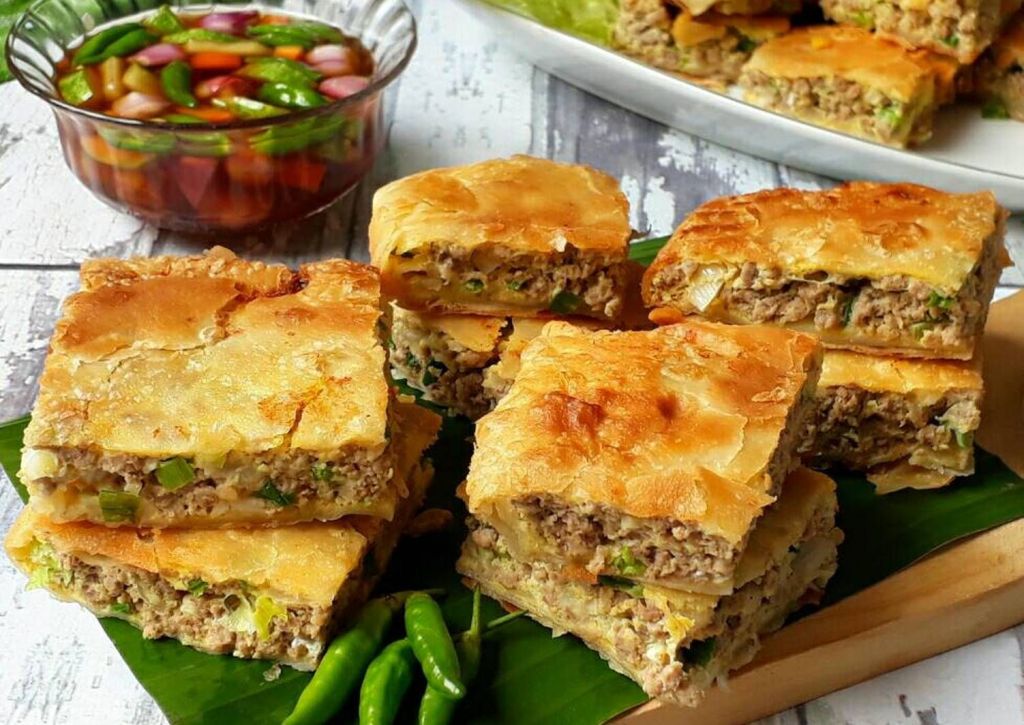
3. Martabak

Martabak telur with its sauce at the back. (pic credits to : here)

Martabak is a stuffed pancake or pan-fried bread which was commonly found in the Arabian Peninsula and Southeast Asia countries. In my country, there are many variants of this martabak; however, my favourite variant is martabak telur (martabak with eggs). Now, maybe one may think that it is kind of weird, but trust me, it tastes so good. It is made from a mixture of eggs and meat and will be eaten together with vinegar soup. People usually have this for a late-night snack, especially when there is a family gathering or just friends hanging out at home.

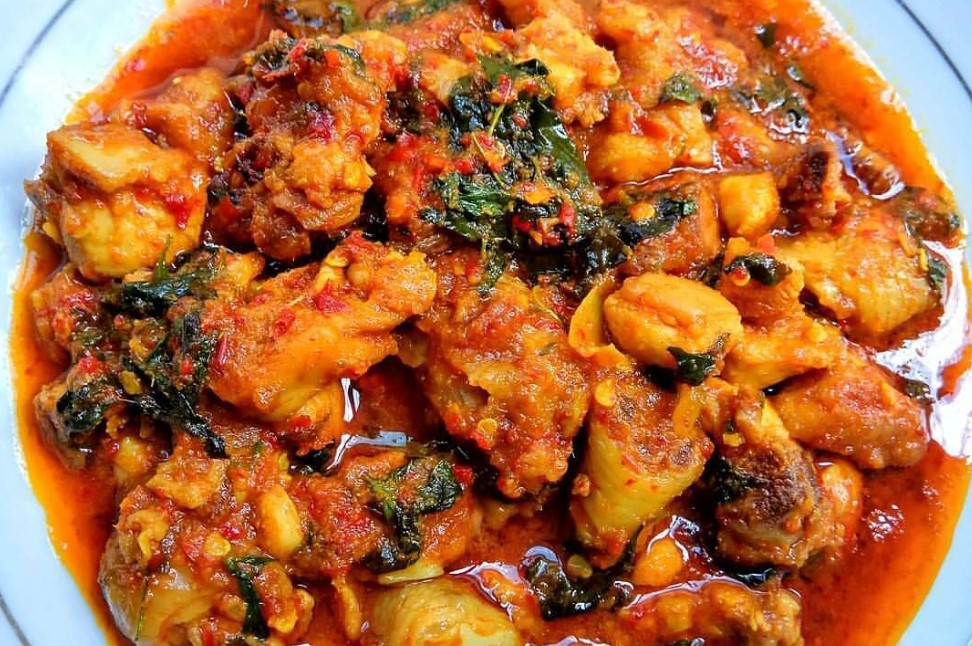
4. Ayam Rica-Rica

The spicy yet delicious ayam rica. (pic credits to : here)

Rica is a type of Southeast Asian hot spice mixture found in Manado cuisine of North Sulawesi, Indonesia. It uses a lot of chopped or ground red and green chilli peppers, bird’s eye chilli, shallots, garlic, ginger, and a pinch of salt and sugar. In Indonesia, a lot of people love chilli, therefore they cook this rica together with chicken, seafood, and meat. For this food, they cook rica with chicken. It could be very spicy for some people who are not used to eating spicy food. Therefore, I recommend to eat this food with rice, thus it will be less spicy. 

5. Rendang

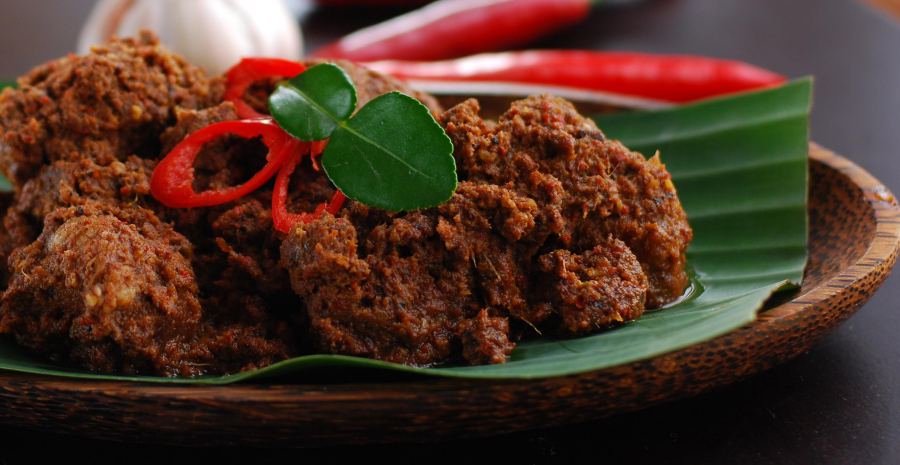
Local’s favourite food, rendang. (pic credits to : here)

For the last one, I will be presenting the best food ever, rendang. If I have to choose between these five foods, I will definitely choose rendang. It is an Indonesian spicy meat dish originating from the Minangkabau region in West Sumatra, Indonesia. It also became popular in our neighbouring Southeast Asian countries. It is a piece of meat, most commonly beef, slow-cooked and braised in a coconut milk and spice mixture until the liquids evaporate and the meat turns dark brown, tender, caramelized, infused with rich spices. 

It is usually served on special occasions. However, nowadays, people can easily get this at a local restaurant. I usually eat this during Ramadan when I visit my Muslim family in another city. It is perfect when eaten with rice. Just like Ayam Rica, this is also spicy, therefore, never eat this alone if one is not used to eating spicy food. 

Now, that was my top five favourite local foods. Although there are more of them, sadly I cannot write all of it here. This could be your chance to try our other local foods, perhaps you can try my recommendations for a starter. 

Thank you for reading and see you in my next one!

#12 Indonesia’s National Health Insurance

Hello and welcome back to my blog. In today’s post, I want to write about health insurance in my country, what is the advantage and disadvantage of it. First of all, I want to be honest by saying that I rarely get sick. Thus, I do not have that much experience with hospitals, insurance, etc. 

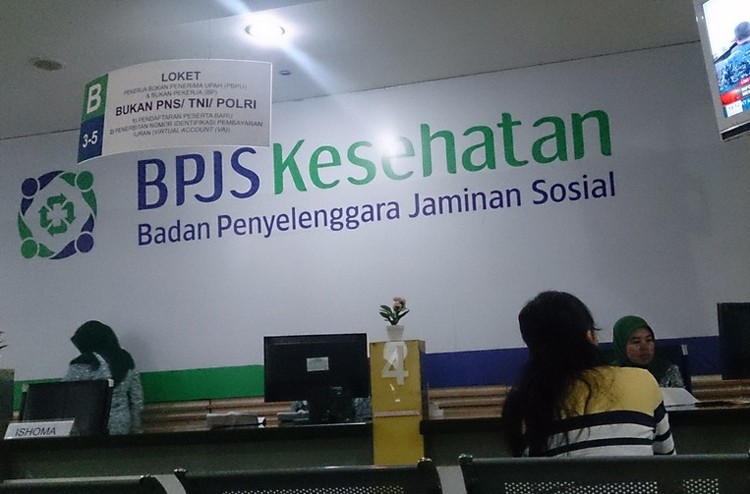
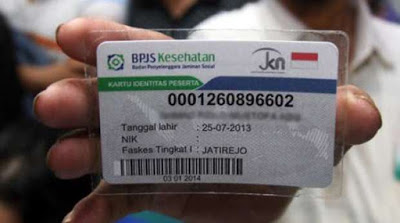
Now, let us get into the topic. In Indonesia, we have national health insurance called BPJS (Badan Penyelenggara Jaminan Sosial Kesehatan) or as being translated into English as Health Social Security Administration. It launched by the government on January 1, 2014, and by 2019, 83,94% of the population, or 221 million people, are registered the National Health Insurance and Healthy Indonesia Card (JKN-KIS) program. 

The insurance card. (pic credits to : here)

Since its inception, BPJS Health has reaped many pros and cons besides bringing fresh air for public health insurance. Though right now, I am not going to write about the public’s opinion and experiences; on the other hand, I am going to write about my experience with it. 

In 2019, I went to the dentist clinic because I had some problem with my teeth. Since the dentist needed further analysis of my teeth, he suggested me to go to the hospital to do a Rontgen. I then went to the hospital to do my Rontgen and later, I found out that I had four wisdom teeth, that were not in the right position and needed to be removed. 

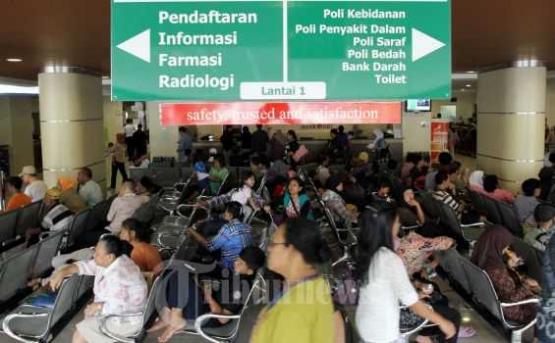
Because I was using the BPJS, the administration process was much longer. I had to come very early to get a lower queue number. This is one of the disadvantages of using BPJS since there are a lot of people using it too. After the administration process, I had to wait again until I can see the dentist. 

A footage of how the waiting room for the administration could be. (pic credits to : here)

After I did the Rontgen, the dentist suggested me to do a surgery for all of my wisdom teeth since they were already not in the right position anymore. Afterwards, I had to do all the administration thing and also do a couple of Rontgen again. Three weeks later, I did my surgery. 

With this, I can say that I am satisfied with the treatments that I got, although the administration queue is very long. Nevertheless, I sometimes hear and read about the unpleasant experience of other people. In my opinion, BPJS is a good alternative for health insurance, especially for poor people. However, I hope that they will do a better change for the administration because I can not imagine if I am in pain and have to wait for a couple of hours only for my name to be called. 

To summarize, BPJS is one of the profitable government breakthroughs in the last few years. Though it is still lack of something, I wish that in the next few years the system will get better and it can be beneficial for everyone.  

#11 Eid al-Fitr

Merry Christmas everyone! Christmas is always a wonderful time when not just children receive gifts but also adults. In Germany, there are Christmas markets everywhere. In Indonesia, however, Christmas is not so festive. Nonetheless, there is also another festival or annual event that is being celebrated just like Christmas. 

Indonesia is a country full of diversity; we have many cultures, languages and also religions. Indonesia has currently five state-recognised religions with Muslim being the largest population. Therefore, we have many national holidays, for example, the Eid al-Fitr. 

Every year in the ninth month, Muslims worldwide has a month of fasting, prayer, reflection, and community. They will fast from sunrise to sunset and accordingly, they refrain not only from food and drink but also from tobacco products, sexual relations, and sinful behavior. They are devoting themselves instead to salat (prayer), recitation of the Quran, and charities or doing good things. 

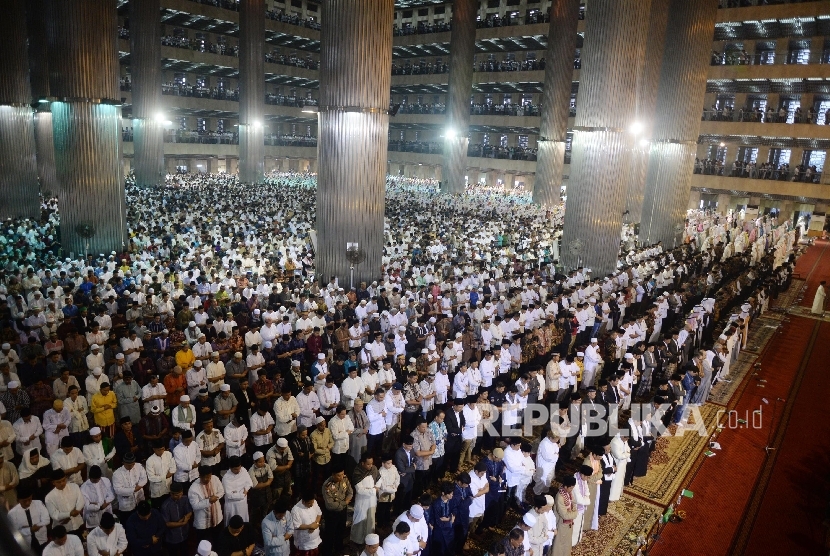
The mass of people praying during Eid al-Fitr. (pic credits to : here)

The holiday of Eid al-Fitr which marks the end of Ramadan and the beginning of Shawwal, the next lunar month, is declared after a crescent new moon has been sighted or after completion of thirty days of fasting if no sighting of the moon is possible. Eid celebrates the return to a more natural disposition (fitra) of eating, drinking, and marital intimacy. 

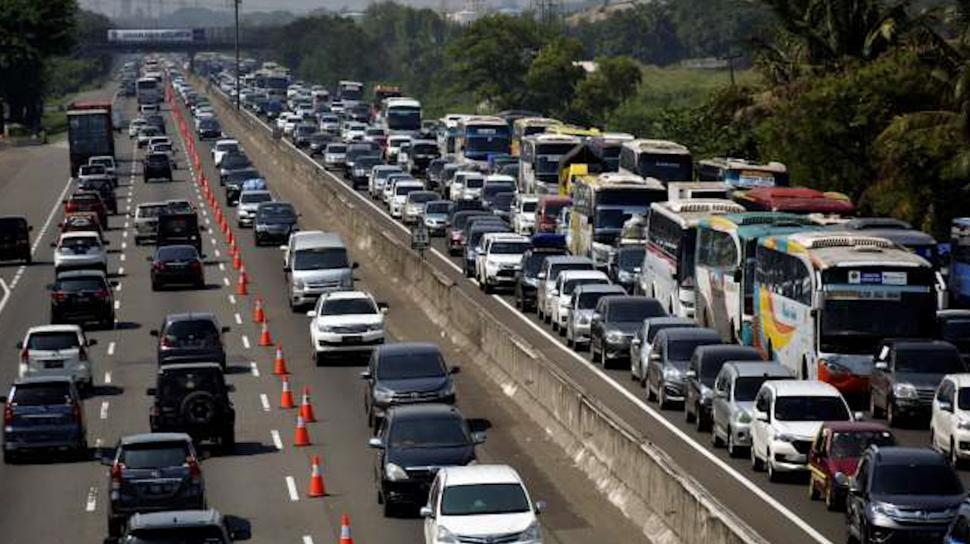
In Indonesia, Eid is more well-known as Lebaran. Typically, people will take and have a week of holiday. They will return to their home town or city to celebrate with their families and to ask forgiveness from parents, in-laws, and other elders. Usually, at this time the highways are full of cars and buses, the train and airplane tickets are going to sold out. 

Traffic in the highway during Lebaran holiday. (pic credits to : here)

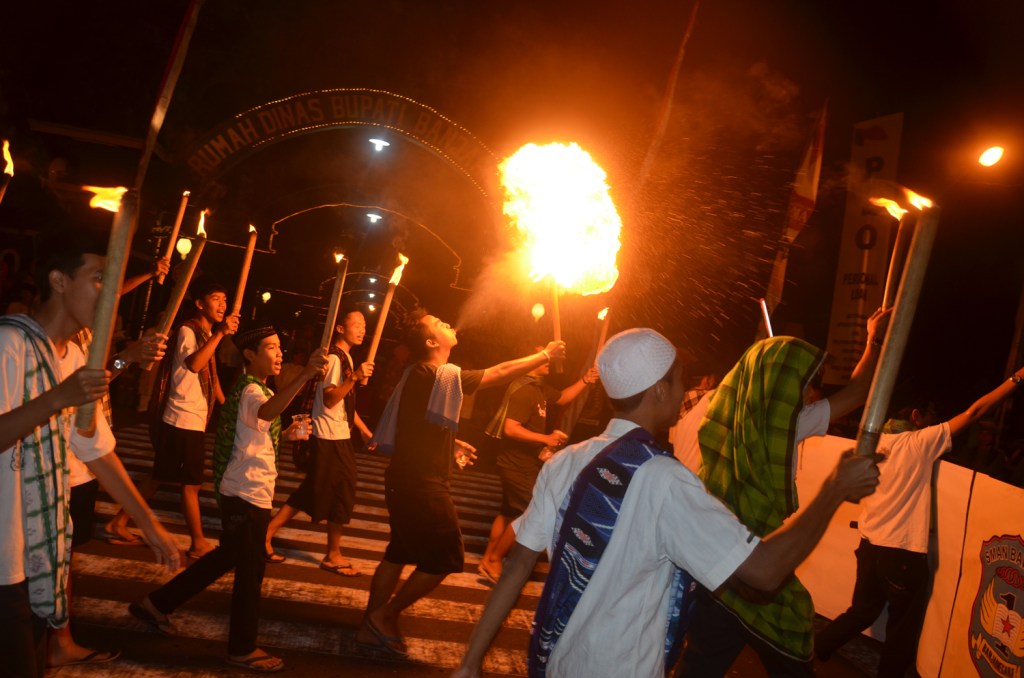
Festivities start the night before with chanting the Takbir and lighting lamps and fireworks. On the day itself, after Eid prayer in the morning, zakat for the poor are distributed in the mosques. 

A group of teenagers is chanting their Takbir, while holding lighting lamps. (pic credits to : here)

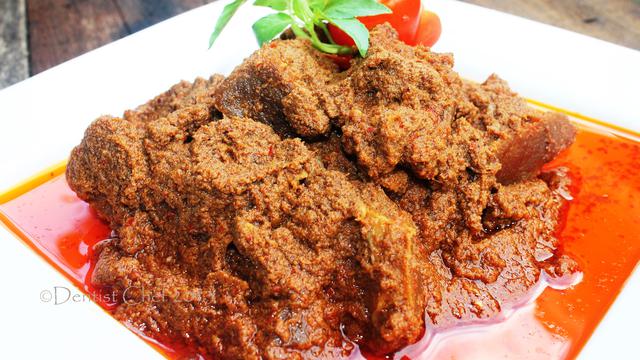
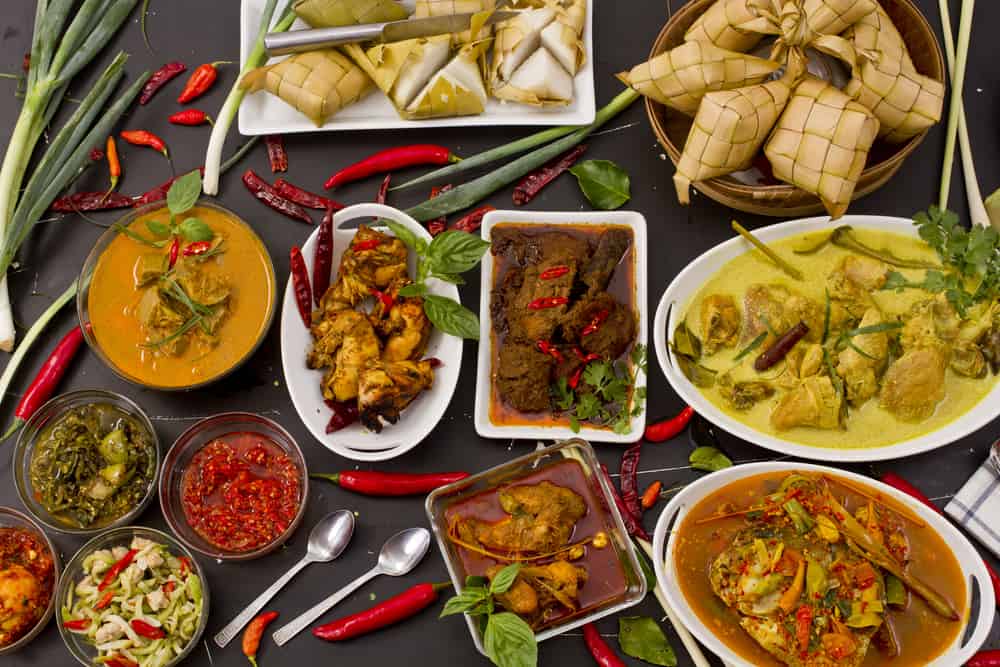
Eid is one of my favorite months in the year because I have many Muslims family, so, I usually travel to them. There will be a special Lebaran meal, which I loved and one of them called Rendang. There are also other dishes such as ketupatopor ayam, sambal goreng ati (a condiment of chillies)sayur lodeh and lemang (a type of glutinous rice cake cooked in bamboo).

Rendang dish. (pic credits to : here)
A special Lebaran meal. (pic credits to : here)

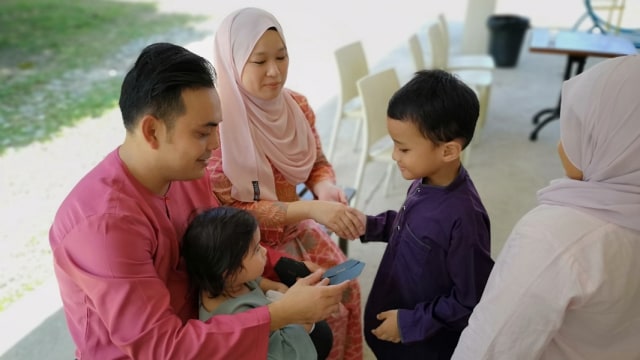
Another important thing is also the Lebaran money. It is a customs for older, established or married couple to give uang lebaran, a small amount of money for children of their own, relatives’ as well as neighbours’. Idul Fitri is a very joyous day for children as adults give them money in colourful envelopes. To cater to these customs, Indonesian Banks usually open some money changer counters to change larger to smaller denominations several days before Lebaran. The denominations may vary from 1,000, 2,000, 5,000 to 10,000 rupiah. 

A visual representation of parents giving money to their children. (pic credits to : here)

It is also common for many Muslims in Indonesia to visit the graves of their loved ones several days before Ramadhan. During this visit, they will clean the grave, recite Ya-Seen, a chapter (sura) from the Quran and also carry out the tahlil ceremony. They did all of that to ask God to forgive both the dead and the living for their sins.

That is all for today’s post. I hope you enjoyed reading this post; and how about you? Do you also have an annual celebration that you like, other than Christmas? Let me know in the comment section below! Thank you and see you in my next post. 

#10 Differences with the Germany’s Tourism

Welcome back to my blog!

In today’s post, I want to write about the differences between Germany’s tourism and Indonesia’s tourism. Before we begin, I would like to tell you that this post is written based on my own opinion and experiences; therefore, I would like to apologize first if I write something offensive.

First, I want to write about my experiences with tourist attractions in Germany. My family and I used to live in Germany from 2014 until 2016. In those times, we managed to visit some of the tourist attractions, most of them being natural tourism sites. The reason why most of the places we visited are in nature is because my father loves it. He prefers to visit natural landscapes rather than the city.

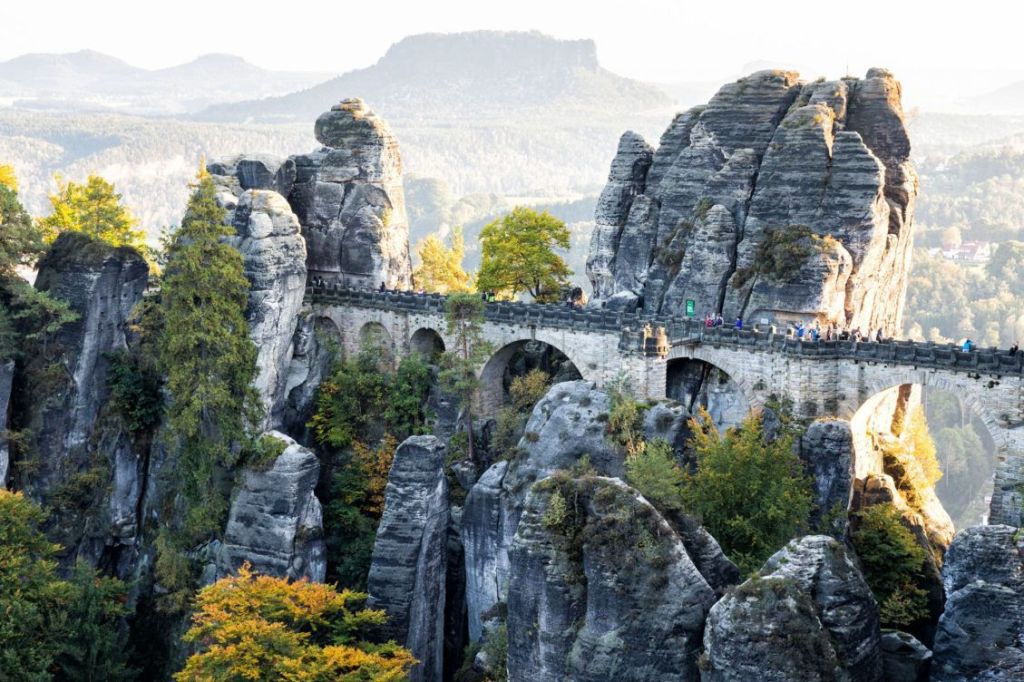
One of the places is The Bastei located near Dresden in Saxony. Bastei and the Bastei Bridge are the highlights of the German Saxon Switzerland National Park area. The place is so beautiful; I would like to visit it again if I have a chance. I like everything in this place, from the landscape to the services in it. I want to focus on the issue of cleanliness. The place is clean and there is no single trash on the ground, as far as I can remember. The toilets are also clean. What I want to point out is that they are taking care of the place.

The Bastei Bridge. (pic credits to : here)

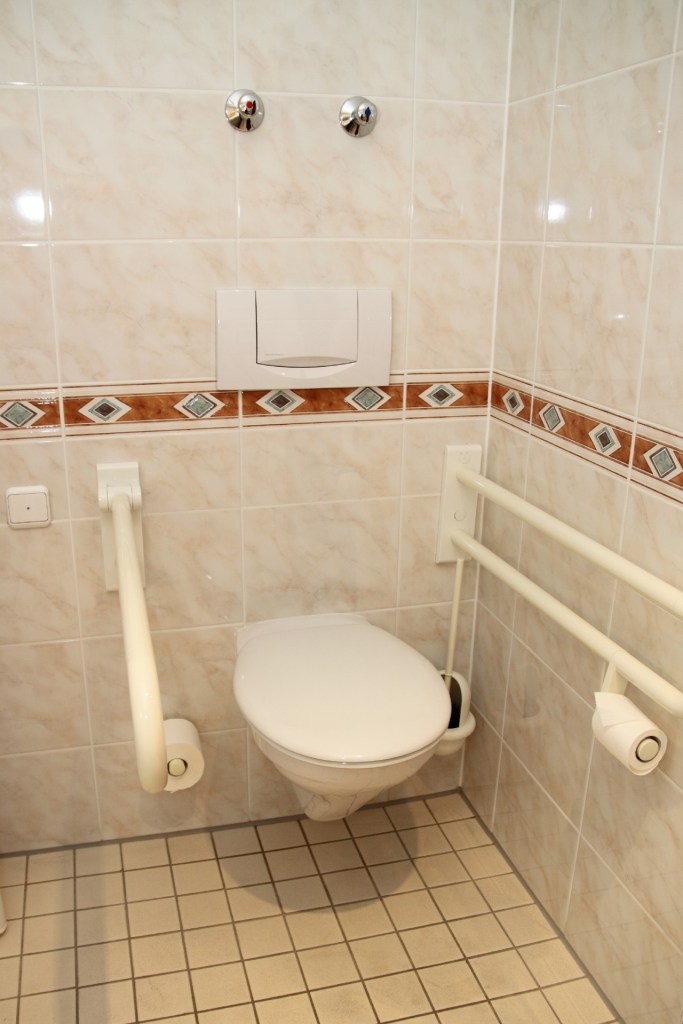
This is also the same at other tourist attractions that I have visited in Germany. In addition to the cleanliness of the place, they also provided facilities for handicapped and elderly people. I do not know if these facilities are being provided all over the place, but most of the places are always equipped with these accommodations. This is something different from my country.

Disabled-friendly toilet in Germany. (pic credits to : here)

In my country, we also have many natural tourist attractions. We have diving sites and numerous national parks. However, I do not want to say that they have the best facilities. Some places always charge for toilet fees, normally only 12 Cents (2000 Rupiah), but even though they charge the visitors fees, the toilets are mostly unclean. That makes me wonder, where does all the money go when the place remains neglected.

One more thing is also the facilities for handicapped people. I noticed that our tourist attractions are still lacking of these kinds of facilities. That makes it harder for everyone to visit those tourist attractions.

I hope that the government and also local people will take these issues seriously. I believe Indonesia already has great potential in this tourism world, but I think they should look more thoroughly into accommodations for visitors. Perhaps they can do more evaluations, so they can know what can be improved.

Please also note that I am writing this not to point out my country’s flaws, but I believe every place has something that they can improve upon. By comparing Indonesia with Germany, I do not want to say that Germany is the best and Indonesia is not. I believe Germany also has its own kind of deficiencies in its tourism industry.

I think that is all for today’s post. I hope you enjoyed reading about this other side of Indonesia’s tourism through my eyes and hopefully, it does not stop you from visiting Indonesia. Thank you for reading and see you in my next post!

#9 Folktale – Malin Kundang

Welcome back to my blog. In today’s post, I want to write about one of Indonesia’s folktales. Indonesia has many folktales due to its various traditional cultures; one of them is Malin Kundang. It is a folktale about retribution of an ungrateful son. It is also one of my favourite folktales because of its moral story. 

Now, let me start the story. Once upon a time, in the Air Manis Beach fishing village in Padang, West Sumatra, there lived a widow named Mande Rubayah along with her son, Malin Kundang. She dearly loved her son and eventually spoiled him. Malin was a diligent and obedient son. Because Mande Rubayah was already old, she was only capable of working as a cake seller to meet the needs of her family. 

Mande Rubayah and little Malin Kundang. (picture credits to : here)

One day, Malin was terribly sick, almost losing his life. However, due to Mande’s hard effort of making him healthy again, he became well. After he survived his sickness, Malin is more deeply loved by his mother. They were a happy family, who loved each other. 

After several years, Malin grew up and became an adult man. At that time, there was a huge ship docked at the Beach and Malin was attracted by it. He wanted to go with the ship and go abroad to the city. He then asked for permission of his mother; told her that he will go abroad in order to change their family’s fate. With a heavy heart, Mande Rubayah let his only son go and provided him with food. 

Malin left his mother to go abroad. (picture credits to : here)

Day by day, Mande Rubayah went through her day alone. Every morning and afternoon, she would go to the beach and asked herself, when will her son be coming back. She also prayed that Malin will always be safe and come back home soon. During his years abroad, Malin never sent letters nor any kind of messages to his mother. Until one day, Mande got news from a captain, that took Malin with him that day. He told Mande that Malin is safe and already married to a beautiful and rich noblewoman. Mande was so happy and was certain that her son will come to her soon. 

Mande Rubayah waiting for her son to come back home. (picture credits to : here)

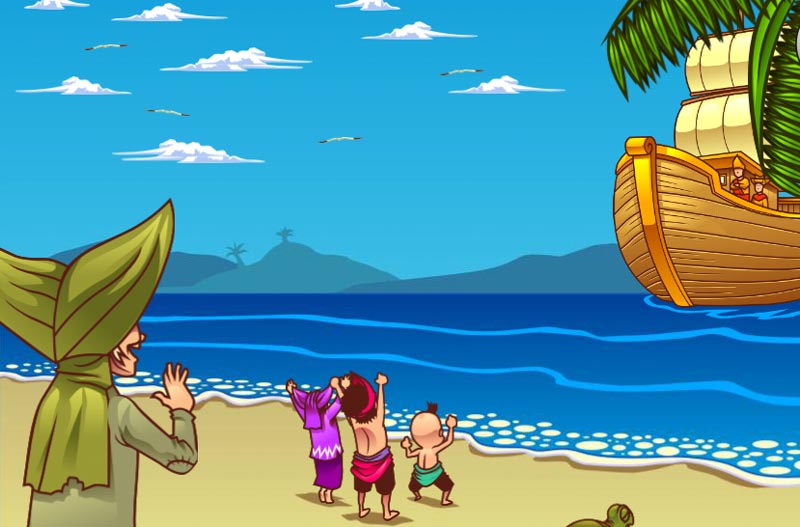
A couple of days later, the villagers gathered at the beach because they saw a beautiful large ship and thought that it must belong to a noble person. Mande was so happy and thought that it must be her son. The ship slowly began to move closer to the port and on the deck, people could see a young couple standing on it. When Mande saw the young man on the deck, she was certain that it is her son. Before the village elders had welcomed them, she approached Malin first. She immediately hugged him tightly, she was afraid of losing her child again. 

The villagers saw Malin’s ship from afar. (picture credits to : here)

Malin was surprised because he was hugged by an old woman in tattered clothes. He could not believe that the woman was his mother. Before he could even think of speaking, his beautiful wife spat while saying, “This ugly woman is your mother? Why did you lie to me before!” Hearing his wife’s words, Malin threw his mother off of him and said that he did not know her. Mande was shocked and began to cry heavily. Again, Malin was ashamed and did not want to claim her as his mother. 

Malin refused to know her mother. (picture credits to : here)

Mande cried heavily and passed out on the beach. When she woke up, she realized that the villagers are already gone and she could see Malin’s ship farther away. Knowing her son already changed, her heart ached and hurt. She then prayed to God asking for his righteousness, if Malin is indeed her son. Suddenly a big storm came, hitting Malin Kundang’s ship, then a thunderous bolt of lightning came. At that moment, the ship was smashed to pieces. Then the waves carried it to the beach.

Mande Rubayah cried heavily on the beach. (picture credits to : here)

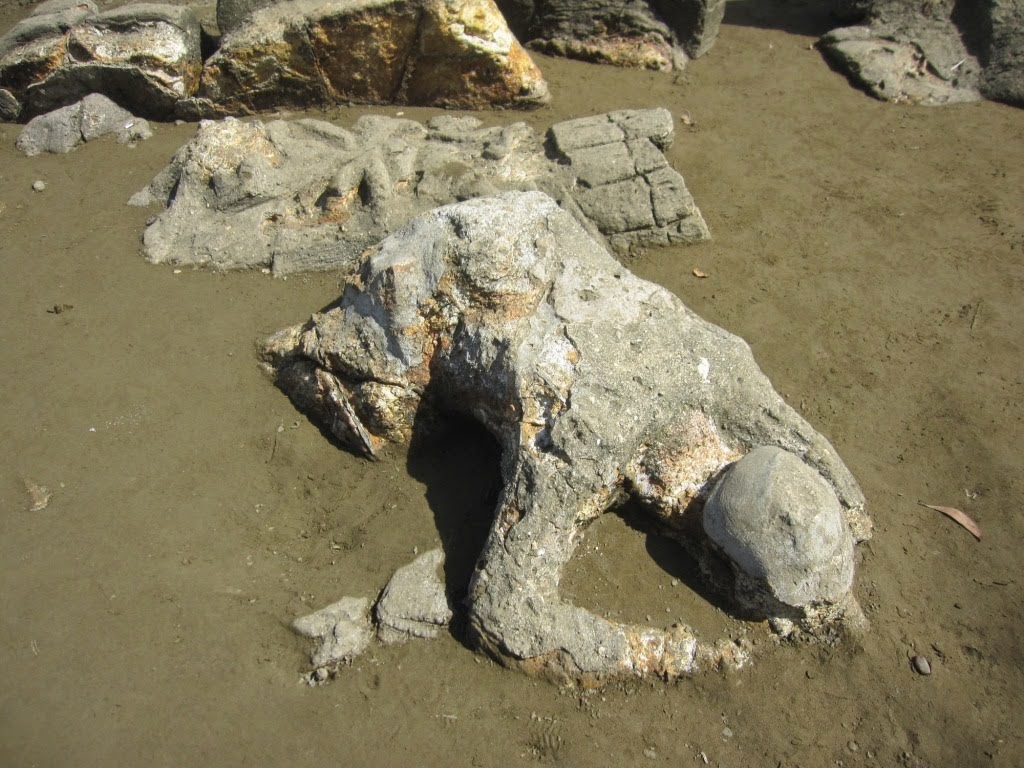
The next day when the morning sun appeared on the eastern horizon, the storm had stopped. At the beach, visible pieces of ships that have become stone were seen. That’s the ship of Malin Kundang! A rock that resembles a human body appears. That is the body of Malin Kundang, who was a son of disobedience, who was cursed by his mother and became a stone. Between the stones, small fishes swim, such as mackerel. That said, the fish came from the fragments of the body of his wife who kept looking for Malin Kundang.

Mande Rubayah prayed for God’s righteousness. (picture credits to : here)

The moral of this folktale is to never forget our parents, who already raised us ever since we were a child and to not be blinded by the richness and the luxury. Today, it is possible to see the stone in Air Manis Beach, Padang, West Sumatra. It became, in fact, one of the tourist attractions in Padang.

Malin Kundang’s stone on Air Manis Beach, Padang. (picture credits to : here)

That is all for today’s post; I hope you enjoyed reading this kind of story and see you in my next one. 

#8 Kartini

Hello readers! Welcome back to my blog. Today I want to write about a mover and a shaker from Indonesia called Kartini one of the faces of Indonesian women’s emancipation. 

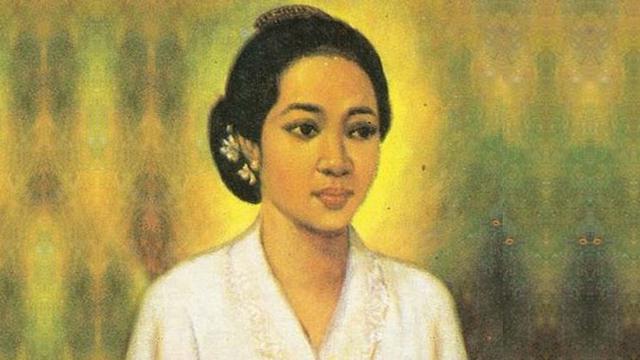
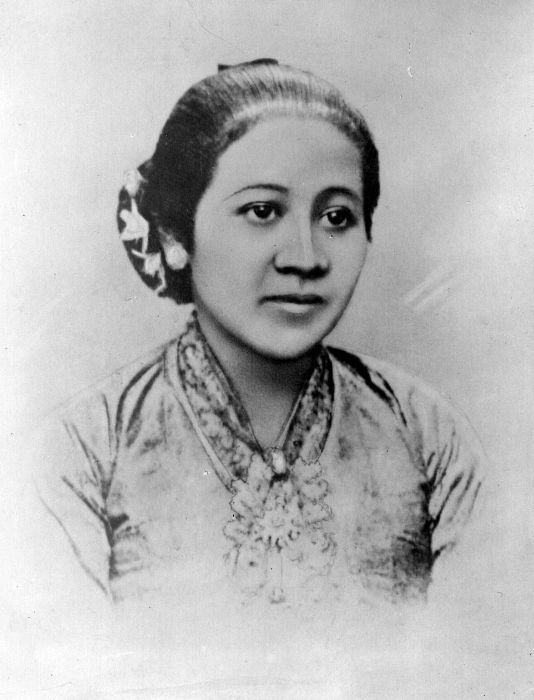
Portrait of Kartini. (picture credits to : here)

Firstly, let me write about who Kartini is. Raden Adjeng Kartini, or for short Kartini, was a notable Indonesian national heroine from Java. Kartini was born on April 21, 1998 in Jepara, Central Java. She was born into a noble Javanese family in the Dutch East Indies, now Indonesia, and that is the reason why she had ‘Raden Adjeng‘ in her name. She was listed as one of the leaders towards emancipation in Indonesia. She mainly fought for women.

During the Colonialism Era, women got positioned below men in the social caste. They were not allowed to pursue higher education, and even today, it became a stereotype that women are not supposed to aim for higher education. They also are being forced to marry someone chosen by their parents, especially noblemen; thus, they can raise their social status. This kind of situation was also experienced by Kartini and that made her want to change it. 

When Kartini was a kid, she got a chance to attend a Dutch language primary school, and in this school, she learned how to speak Dutch, an unusual achievement for a Javanese woman. She attended school until she was twelve years old but later she was secluded at home. Seclude, or pingit in Javanese, is a common practice among Javanese nobility, to prepare young girls for their marriage. During seclusion, girls were not allowed to leave their parent’s house until they got married; however, Kartini’s father still gave her privileges, such as embroidery lessons and occasional appearances in public for special events.

Kartini also never stopped educating herself. Because she can speak Dutch, she managed to have Dutch pen pals; one of them is called Rosa Abendanon. In her letters, she wrote her concern not just about women’s emancipation, but also about the problems of the society, especially the condition of native Indonesian women. 

Kartini’s letter to Rosa Abendanon. (picture credits to : here)

Kartini read European books, magazines, and newspapers and that made her thinking similar to European feminist thinking. It also made her desire, to change native Indonesian women’s condition, for the better. Kartini’s desire to pursue higher education in Europe also was expressed in the letters. Many of her pen pals tried to help her to make her dreams come true, but sadly her plan and her desire got abandoned because she was going to be married. 

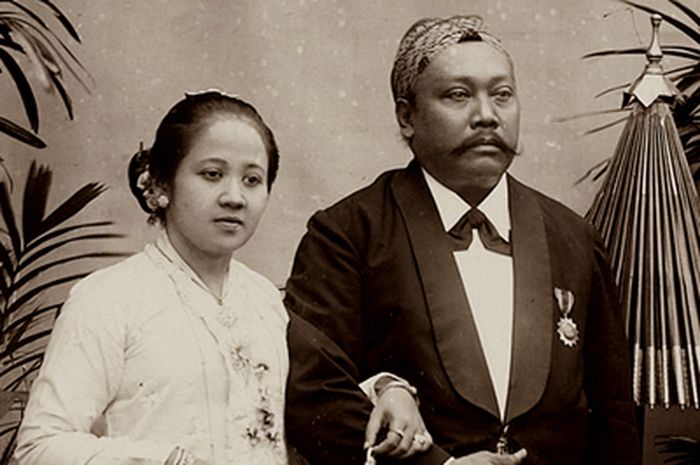
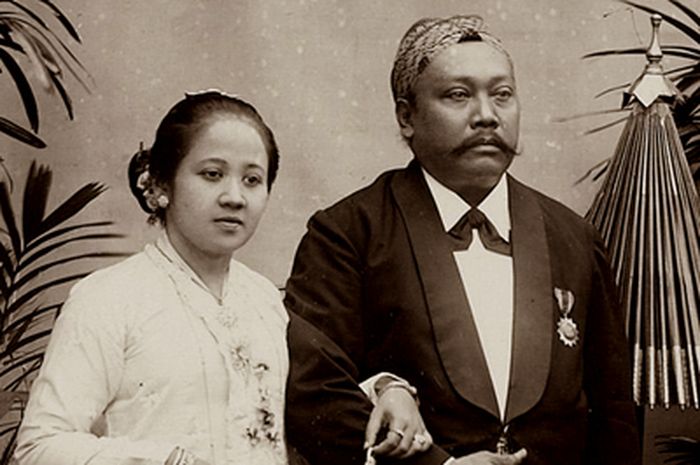
She got married on November 12, 1903 to Joyodiningrat, the Regency Chief of Rembang, who already had three wives. Although she got married, her desire to improve the conditions for women did not stop. Thankfully, her husband understood her goal and allowed her to establish a school for women in the east porch of the Rembang Regency Office complex. The school was set up inside her father’s home and taught girls a progressive, Western-based curriculum. To Kartini, the ideal education for a young woman encouraged empowerment and enlightenment. 

Kartini and her husband. (picture credits to : here)

Other than building a school, she also wanted to write a book, but sadly she did not manage to write one due to her premature death at the age of 25 on September 17, 1904, a few days after she gave birth to her only son on September 13, 1904. Seven years after her death, one of her correspondents, Jacques H. Abendanon, the Minister for Culture, Religion, and Industry in the East Indies, published a collection of Kartini’s letters, entitled  Door Duisternis tot Licht (Out of Dark Comes Light.) The publication of Kartini’s letters drew the Dutch’s interest, and Kartini’s ideas began to change the way the Dutch viewed native women in Java. It also inspired notable Indonesian figures in the fight for independence. 

Kartini’s book Indonesia version. (picture credits to : here)

In 1964, President Sukarno declared Kartini’s birthday, 21 April, as “Kartini’s Day,” an Indonesian national holiday. Though Kartini is not with us anymore, her spirit remains in today’s women’s heart. 

That is all for today’s post! I hope you enjoyed reading this post and see you in my next one. 

#7 Yogyakarta – Part Two

Welcome back to my second’s post about Yogyakarta. On my last post, I have written about the historical places that you can visit. In today’s post, I want to write about more places in Yogyakarta that are interesting to see. 

I have already mentioned before that Yogya, short for Yogyakarta, is the second popular tourist destination in Indonesia. Therefore, during the holiday season, most of the places are always crowded. Right now, I want to write about places that are happening among the young people, or ‘the Millenials’ as our people would say. 

  1. Gumuk Pasir Parangkusumo
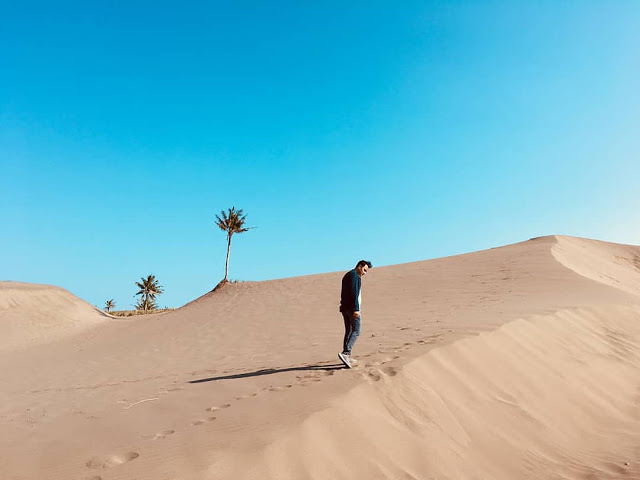
Perfect for taking aesthetic pictures. (photo credits to : here)

Gumuk Pasir or as being translated into English is Sand Dune located in the west side of Parangtritis Beach, Yogyakarta. Dune is a mound or ridge of sand or other loose sediment formed by the wind, especially on the sea coast or in a desert. 

This place is well-known as a photo spot. Since many people want to post unique photos on their social media, especially Instagram, they then go to this place. The local tour guides also provide tourists with several photo spots, for instance, this swing, that is used frequently for a pre-wedding photoshoot.

A couple is doing their pre-wedding photo shoot. (picture credits to : here)

Other than taking pictures, tourists can also do sandboarding, which is also a favourite activity to do there. The ticket price is only around €6 (100,000 Indonesian Rupiah) for one person and a group. There is no price difference between a group or one person; one can only pay €6, for example, for a whole group and manage to play to its heart’s content.

People are doing sandboarding. (picture credits to : here)

2. Celosia Flower Garden, Gunung Kidul

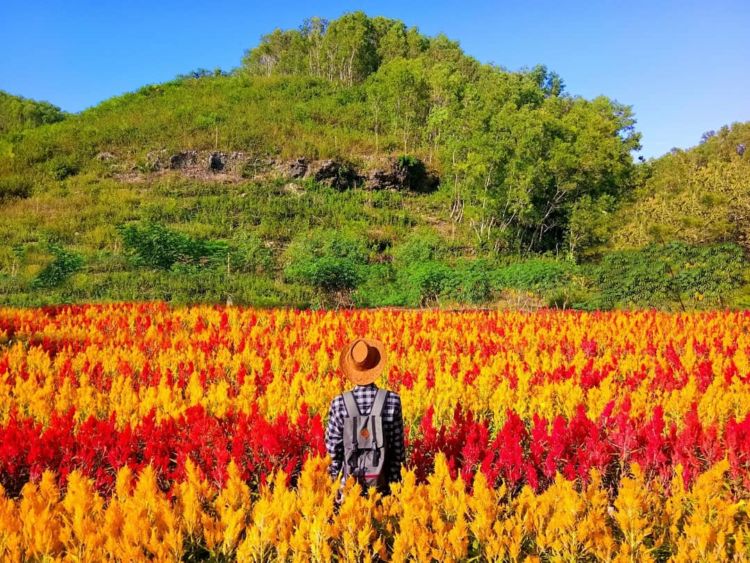
Celosia is a type of flower that is well-known in East Africa’s highlands and can bloom for eight to ten weeks. In Jogja, one may be able to find this Celosia Garden. At least around 6000 Celosias are being planted in the garden. 

It is recommendable to visit the garden during the weekday because on the weekend it will be crowded by many people. The entrance ticket is very cheap; it costs around 0.30 Cents (5,000 Rupiah). With this price, one can explore the garden and take many pictures.

One can take a picture among the garden just like the picture above. (picture credits to : here)

3. Taman Sari

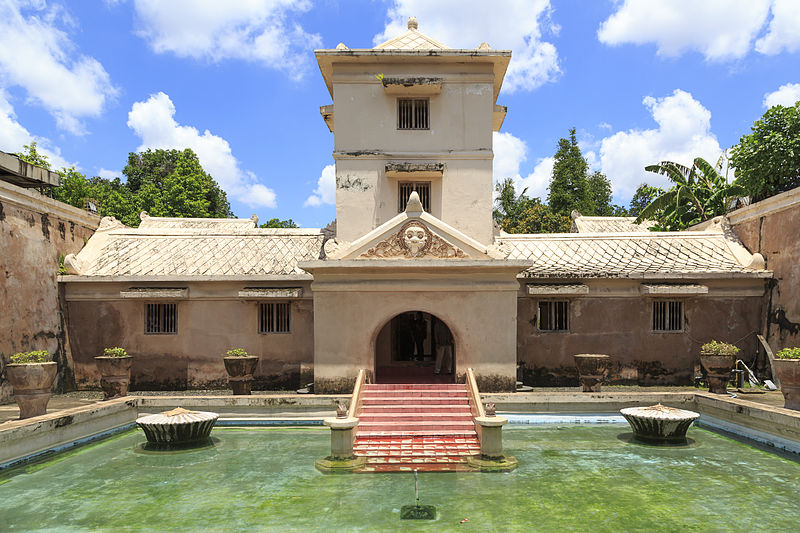
Taman Sari Water Castle. (picture credits to : here)

Taman Sari Water Castle, in short, Taman Sari, is a former royal garden of the Sultanate of Yogyakarta. It consisted of four distinct areas; one of them is the bathing complex in the centre. 

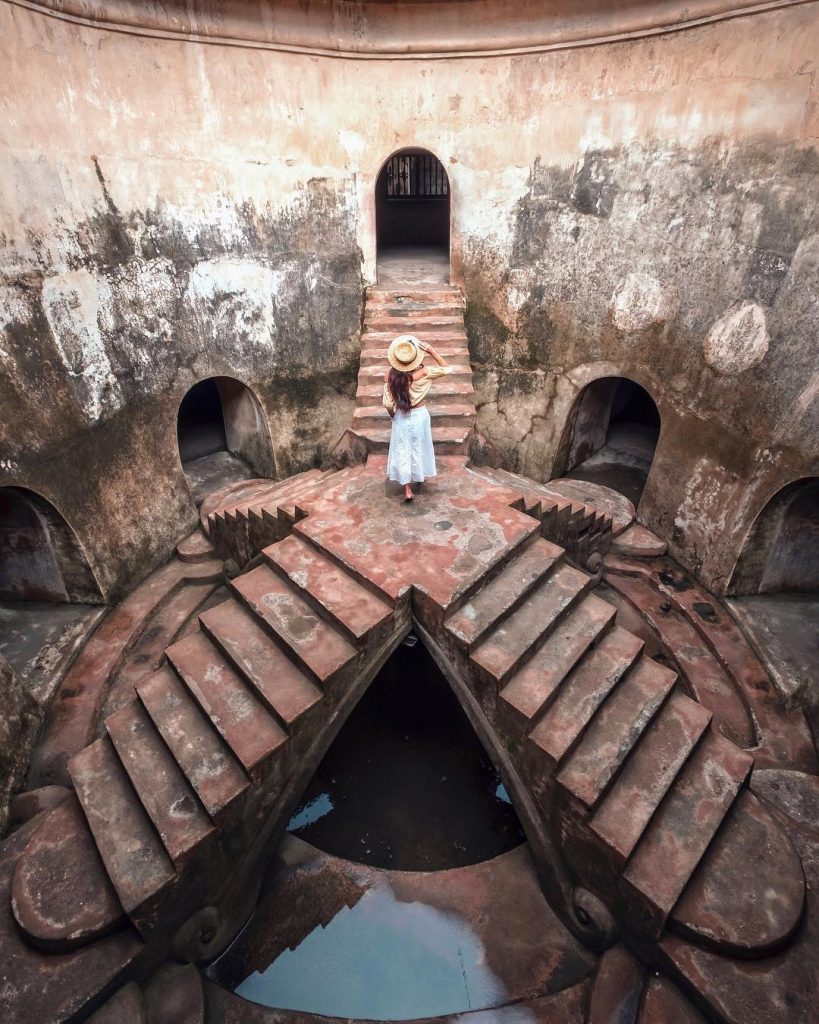
It is popular among young people because of its architecture. The architecture is simple yet elegant and classy. It makes our pictures look aesthetic. Therefore, during the holiday season, this place is packed with a lot of people. One useful tip is to come earlier in the morning because there will not be so many people and also the place closes at two p.m. 

One of the photo spot in Taman Sari. (picture credits to : here)

As you probably noticed, I always mentioned the photo spots. That is because right now, posting pretty pictures on social media is becoming someone’s needs. Unlike in Germany, where I saw that people are more enjoying the moment and do not really care about taking pictures, in Indonesia, there is always a ‘selfie spot’ in a tourist attraction, which I think sometimes do not suitable. Thus, do not be surprised when you come to Indonesia and you will find ‘selfie spot’ in nearly all tourist attractions. 

That is all for today’s post. I hope you enjoyed reading this post. See you in my next one!

#6 Indonesia’s Tourism

Hello readers! Welcome back to my blog. Today I want to write about problems that may occur during your travel in Indonesia and its solutions as well. On my previous posts, I have written about the places that you can visit. However, it is not always rainbows and butterflies in Indonesia. The places are indeed beautiful but this does not imply that there are not any problems. Therefore, I want to write about current issues in our tourism.

The first question would be ”How foreign-friendly is Indonesia?” Travelling to Bali and Java, for instance, is effortless for the majority of tourists for good services. On the other hand, it might be hard to travel to the other part of the country. One of the reason is the lack of promotion from the government and also, the lack of infrastructure in the area. Some places are still not accessible by cars and public transportation are not operational.

That was an insight into the problem of tourism in Indonesia. Now let me describe the problems for foreign tourists to keep in mind before coming to Indonesia.

1. Dual pricing for foreigners

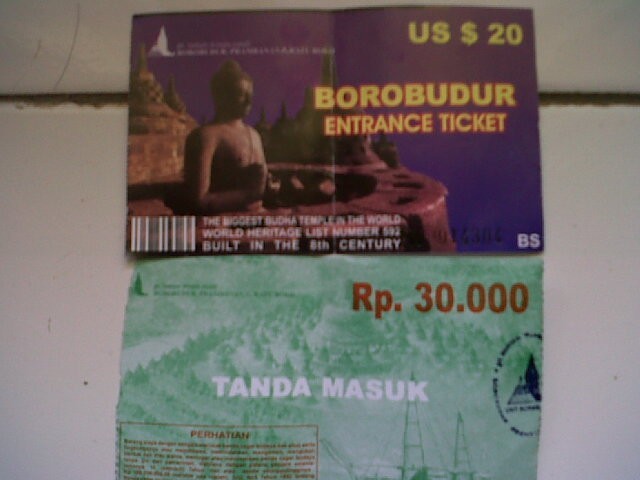
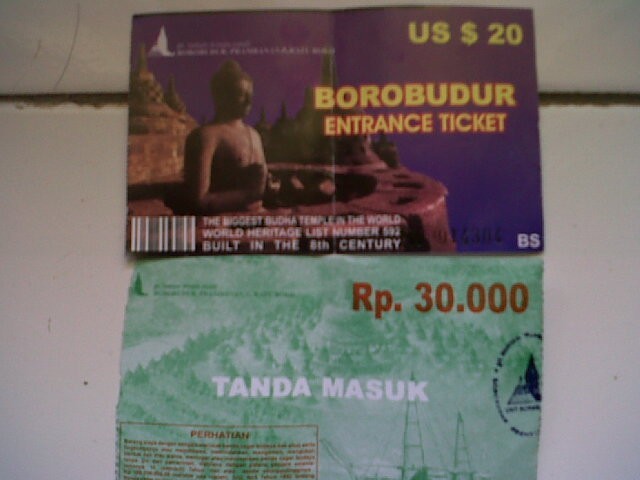
An example for the dual pricing in Borobudur, Java. (picture credits here)

Dual pricing is a common thing in some part of Asian countries, like Indonesia. For those who does not know what ‘dual pricing’ means, it is a different price charging between the locals and the foreigners. For example in Borobodur, foreigners have to pay approximately 280.000 Rupiah (around 18 Euro) whereas locals only have to pay 30.000 Rupiah (around 2 Euro). It may be an upsetting fact but it is the reality that I think one should know beforehand.

Sadly, I do not have a solution for this dual pricing since it is approved by the government. However, I can give one useful solution, for instance: do not forget to convert foreign currency into Indonesian Rupiah. In the past years foreign currency is no longer accepted as a method of payment. Therefore, it is recommendable to have the local currency before going to tourist attractions.

2. Language problem

An illustration of the communication problem. (picture credits here)

As I already mentioned in my previous posts, it may be hard for foreigners to travel to different areas in Indonesia. Many Indonesians are not very fluent in English, especially for people who did not receive a full education. This can create communication barriers between the locals and the foreigners. One useful tip is to learn the basic phrases such as ‘Berapa harganya?’ (How much is this?), ‘Di mana toilet?’ (Where is the bathroom?), ‘Maaf, saya tidak mengerti’ (Sorry I do not understand), etc.

3. Traffic and transportation

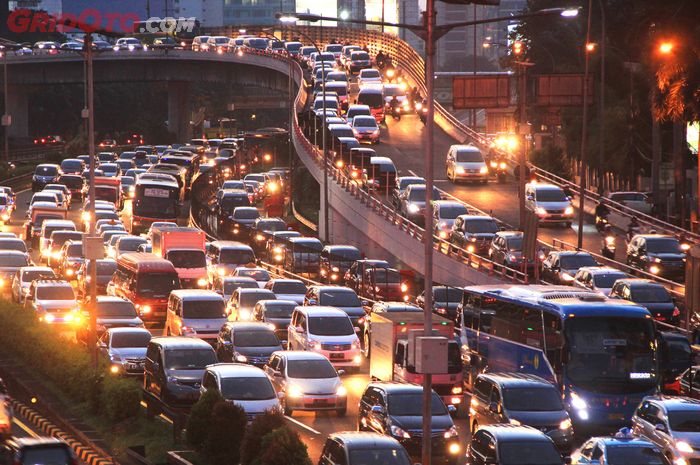
Traffic in Jakarta during rush hour. (picture credits here)

Traveling around the city in most cities in Indonesia can be a problem if one is not used to it. Especially we have traffics that can be so stressful even for the locals. If one is traveling in Java island, the train may be the best option. It has the advantage of avoiding traffic and mostly stick to the timetable. However, I do not want to say that our train’s timetable is always on time. Traveling by bus is also possible. The public buses are cheap, but they have many stops and often got stuck in traffic, despite having their separate lane.

The advice that I give will depend on one’s intention of traveling. If one wants to travel in just one island, the train is the best option. However, if one wants to travel from one island to another, domestic flights are possible, but it depends on one’s budget.

Those are some problems alongside with the solutions that I can give you today. I hope that my solution can be, somehow, useful for your future trip to Indonesia. What do you think about this post? Please write in the comment and also, if you have questions do not hesitate to ask me. See you on my next post!

Design a site like this with WordPress.com
Get started