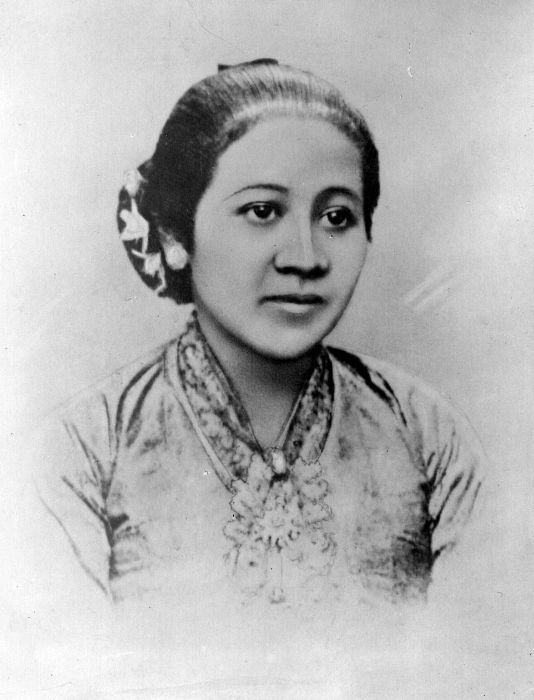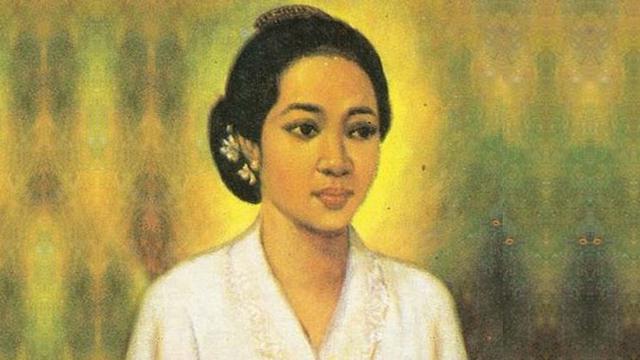
Hello readers! Welcome back to my blog. Today I want to write about a mover and a shaker from Indonesia called Kartini one of the faces of Indonesian women’s emancipation.

Firstly, let me write about who Kartini is. Raden Adjeng Kartini, or for short Kartini, was a notable Indonesian national heroine from Java. Kartini was born on April 21, 1998 in Jepara, Central Java. She was born into a noble Javanese family in the Dutch East Indies, now Indonesia, and that is the reason why she had ‘Raden Adjeng‘ in her name. She was listed as one of the leaders towards emancipation in Indonesia. She mainly fought for women.
During the Colonialism Era, women got positioned below men in the social caste. They were not allowed to pursue higher education, and even today, it became a stereotype that women are not supposed to aim for higher education. They also are being forced to marry someone chosen by their parents, especially noblemen; thus, they can raise their social status. This kind of situation was also experienced by Kartini and that made her want to change it.
When Kartini was a kid, she got a chance to attend a Dutch language primary school, and in this school, she learned how to speak Dutch, an unusual achievement for a Javanese woman. She attended school until she was twelve years old but later she was secluded at home. Seclude, or pingit in Javanese, is a common practice among Javanese nobility, to prepare young girls for their marriage. During seclusion, girls were not allowed to leave their parent’s house until they got married; however, Kartini’s father still gave her privileges, such as embroidery lessons and occasional appearances in public for special events.
Kartini also never stopped educating herself. Because she can speak Dutch, she managed to have Dutch pen pals; one of them is called Rosa Abendanon. In her letters, she wrote her concern not just about women’s emancipation, but also about the problems of the society, especially the condition of native Indonesian women.
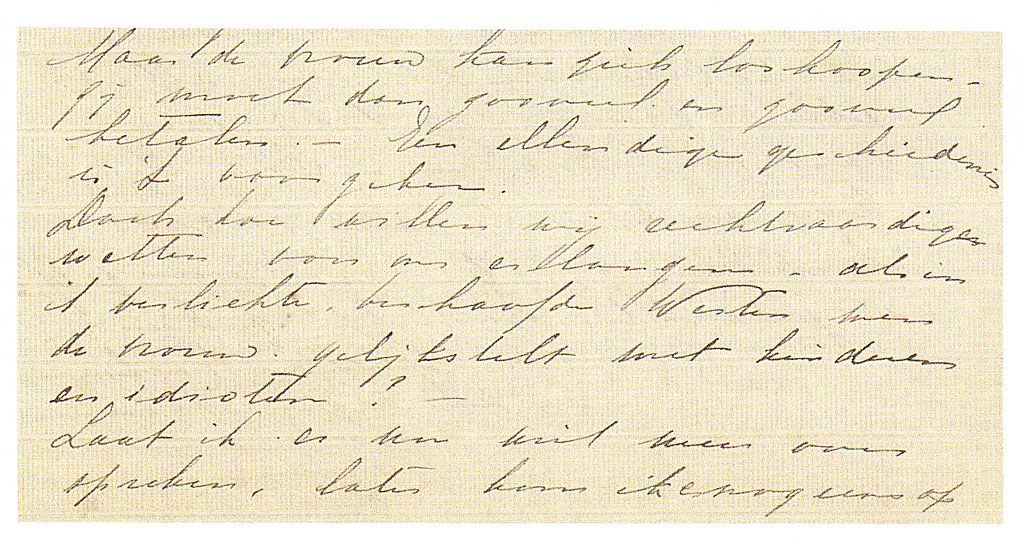
Kartini read European books, magazines, and newspapers and that made her thinking similar to European feminist thinking. It also made her desire, to change native Indonesian women’s condition, for the better. Kartini’s desire to pursue higher education in Europe also was expressed in the letters. Many of her pen pals tried to help her to make her dreams come true, but sadly her plan and her desire got abandoned because she was going to be married.
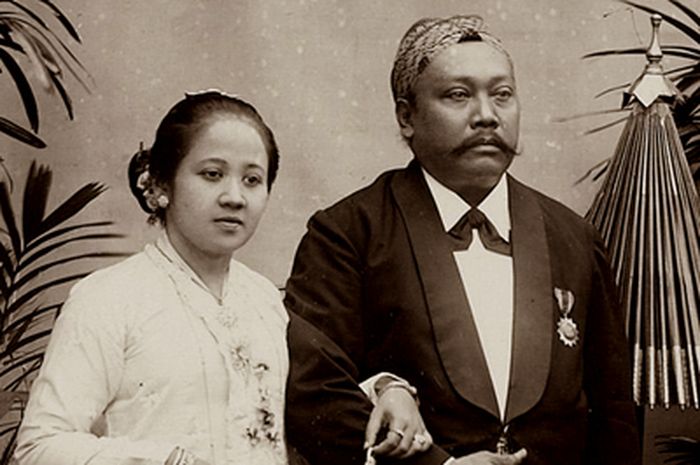
She got married on November 12, 1903 to Joyodiningrat, the Regency Chief of Rembang, who already had three wives. Although she got married, her desire to improve the conditions for women did not stop. Thankfully, her husband understood her goal and allowed her to establish a school for women in the east porch of the Rembang Regency Office complex. The school was set up inside her father’s home and taught girls a progressive, Western-based curriculum. To Kartini, the ideal education for a young woman encouraged empowerment and enlightenment.
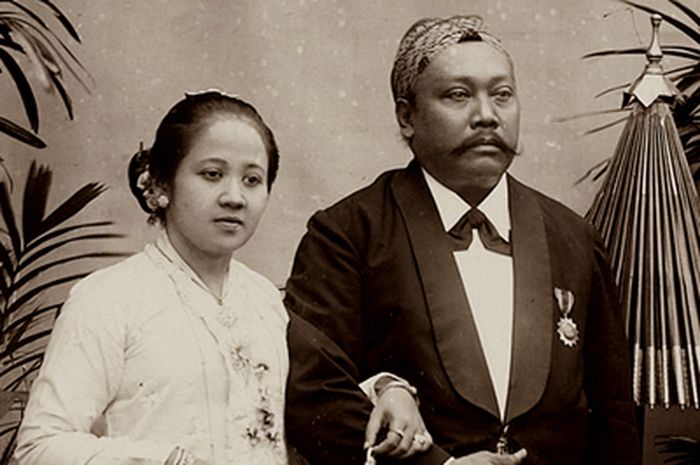
Other than building a school, she also wanted to write a book, but sadly she did not manage to write one due to her premature death at the age of 25 on September 17, 1904, a few days after she gave birth to her only son on September 13, 1904. Seven years after her death, one of her correspondents, Jacques H. Abendanon, the Minister for Culture, Religion, and Industry in the East Indies, published a collection of Kartini’s letters, entitled Door Duisternis tot Licht (Out of Dark Comes Light.) The publication of Kartini’s letters drew the Dutch’s interest, and Kartini’s ideas began to change the way the Dutch viewed native women in Java. It also inspired notable Indonesian figures in the fight for independence.
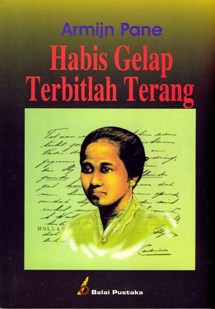
In 1964, President Sukarno declared Kartini’s birthday, 21 April, as “Kartini’s Day,” an Indonesian national holiday. Though Kartini is not with us anymore, her spirit remains in today’s women’s heart.
That is all for today’s post! I hope you enjoyed reading this post and see you in my next one.
 Indonesia Tour