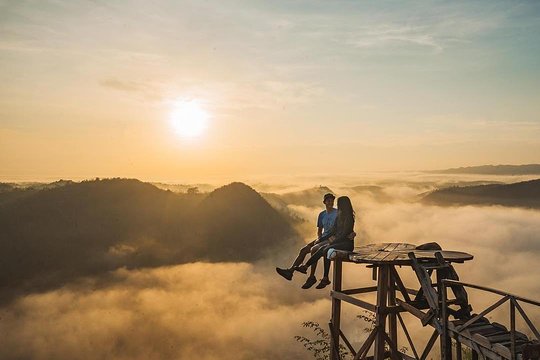
Welcome back to my second’s post about Yogyakarta. On my last post, I have written about the historical places that you can visit. In today’s post, I want to write about more places in Yogyakarta that are interesting to see.
I have already mentioned before that Yogya, short for Yogyakarta, is the second popular tourist destination in Indonesia. Therefore, during the holiday season, most of the places are always crowded. Right now, I want to write about places that are happening among the young people, or ‘the Millenials’ as our people would say.
- Gumuk Pasir Parangkusumo
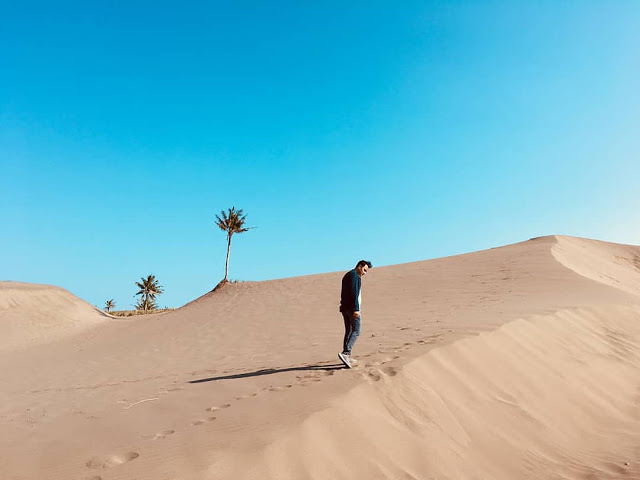
Gumuk Pasir or as being translated into English is Sand Dune located in the west side of Parangtritis Beach, Yogyakarta. Dune is a mound or ridge of sand or other loose sediment formed by the wind, especially on the sea coast or in a desert.
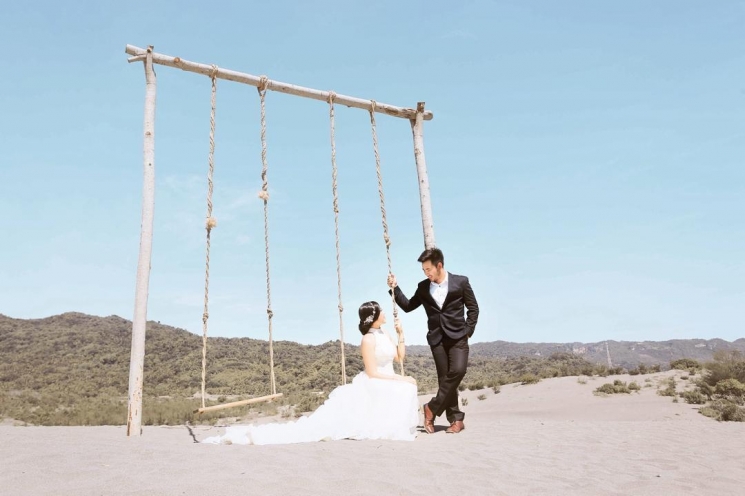
This place is well-known as a photo spot. Since many people want to post unique photos on their social media, especially Instagram, they then go to this place. The local tour guides also provide tourists with several photo spots, for instance, this swing, that is used frequently for a pre-wedding photoshoot.
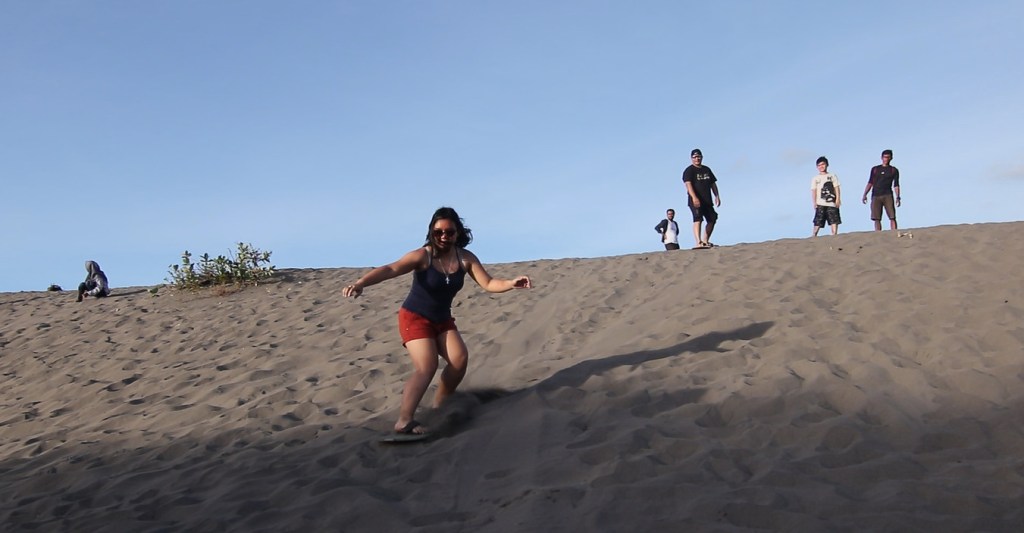
Other than taking pictures, tourists can also do sandboarding, which is also a favourite activity to do there. The ticket price is only around €6 (100,000 Indonesian Rupiah) for one person and a group. There is no price difference between a group or one person; one can only pay €6, for example, for a whole group and manage to play to its heart’s content.
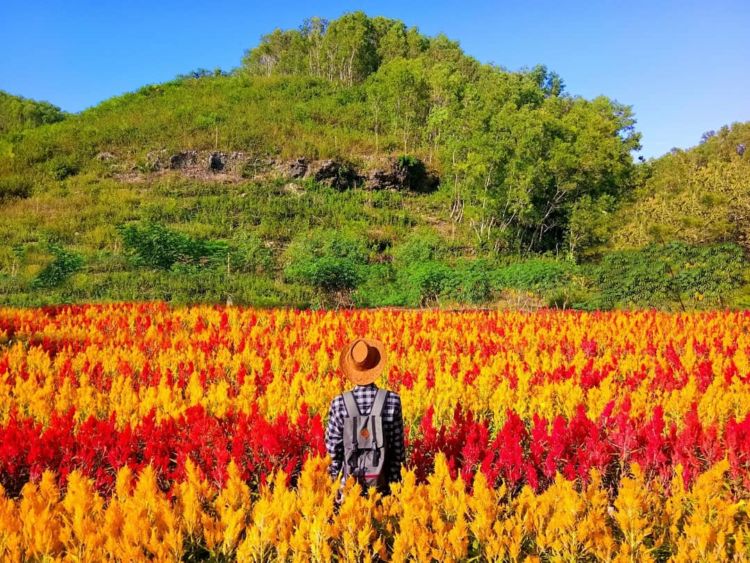
2. Celosia Flower Garden, Gunung Kidul
Celosia is a type of flower that is well-known in East Africa’s highlands and can bloom for eight to ten weeks. In Jogja, one may be able to find this Celosia Garden. At least around 6000 Celosias are being planted in the garden.
It is recommendable to visit the garden during the weekday because on the weekend it will be crowded by many people. The entrance ticket is very cheap; it costs around 0.30 Cents (5,000 Rupiah). With this price, one can explore the garden and take many pictures.
3. Taman Sari
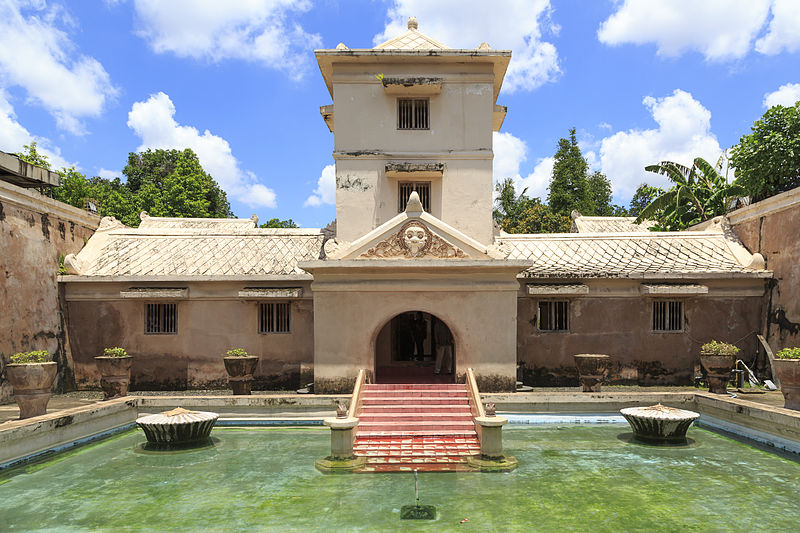
Taman Sari Water Castle, in short, Taman Sari, is a former royal garden of the Sultanate of Yogyakarta. It consisted of four distinct areas; one of them is the bathing complex in the centre.
It is popular among young people because of its architecture. The architecture is simple yet elegant and classy. It makes our pictures look aesthetic. Therefore, during the holiday season, this place is packed with a lot of people. One useful tip is to come earlier in the morning because there will not be so many people and also the place closes at two p.m.
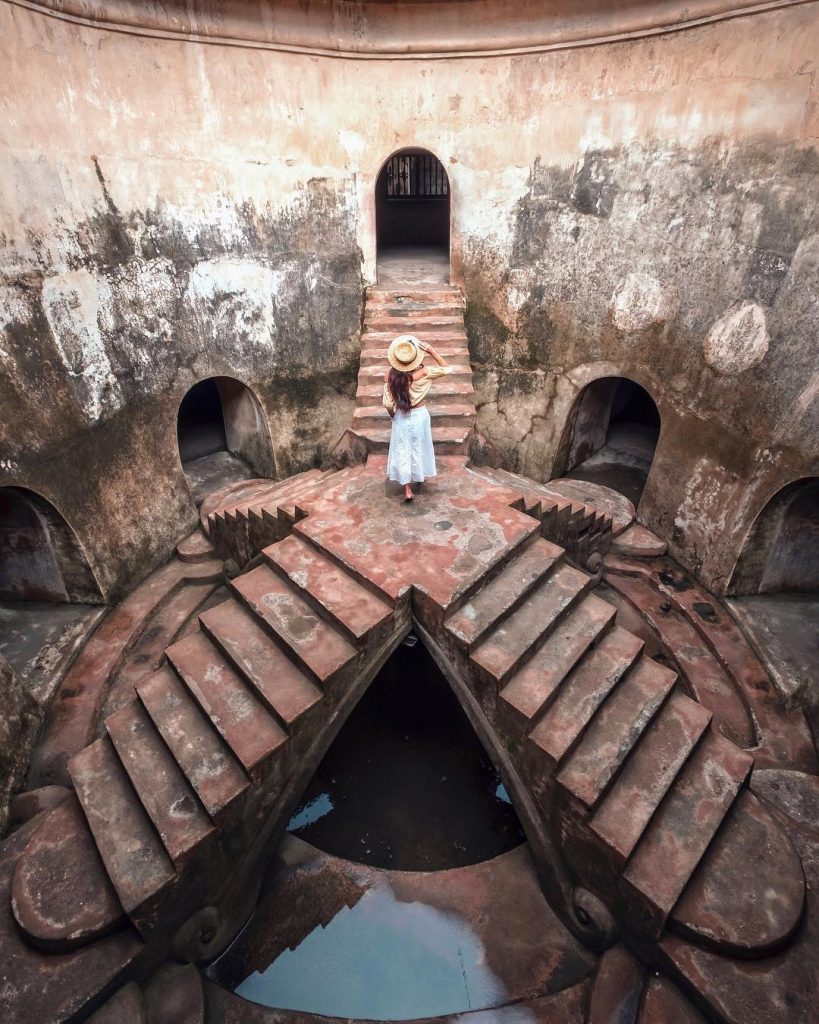
As you probably noticed, I always mentioned the photo spots. That is because right now, posting pretty pictures on social media is becoming someone’s needs. Unlike in Germany, where I saw that people are more enjoying the moment and do not really care about taking pictures, in Indonesia, there is always a ‘selfie spot’ in a tourist attraction, which I think sometimes do not suitable. Thus, do not be surprised when you come to Indonesia and you will find ‘selfie spot’ in nearly all tourist attractions.
That is all for today’s post. I hope you enjoyed reading this post. See you in my next one!
 Indonesia Tour
Hi!
Thanks for all the helpful travel tips and vivid descriptions!
I haven’t been to Indonesia yet but following your blog makes the country truly attractive for me.
Jogja seems to be a really captivating place to visit thinking about all the interesting spots you presented in Part 1/2, especially the Borobudur temple or the Taman Sari Water Castle.
What’s the best season to go there without facing issues like overcrowded places or foul weather?
And you talked about Indonesian food but which local cuisine would you recommend for Jogja?
Also, I don’t want to behave rudely or inappropriately but I recognized differences between the Asian and German culture during my trip to China so I am wondering how it is exactly in Jogia when thinking about manners, values and rules of conduct. Should I be aware of anything when visiting the temples or the city itself?
In contrast to your experience in Germany, I want to remark my oppositional point of view. You mentioned that people enjoy the moment when visiting a place and taking pictures seems not to be their priority. However, I believe that many people here, especially the younger generation, get indeed obsessed with finding the right spot for the perfect picture and are willing to spend hours for taking the best Selfie for their social media accounts instead of enjoying the attraction itself. Unfortunately, I assume this trend goes on…
Well, keep on work! Getting an insight in the Indonesian life from your own experience and knowledge is very fascinating and extraordinary. I am looking forward to hear more about it!
-Josi
LikeLike
Hello! To answer your first question; I think the best time to visit Jogja is on the dry season from April to October. However, it could be hot, so do not forget to wear your hats and your sunscreen.
The speciality food of Jogja is Gudeg. It is a stew made from young jackfruit (nangka) with palm sugar, coconut milk, meat, garlic and spices.
For manners, I think it would be great if you do not touch or step on the statues or the stupas because it considered as a sacred place for the Buddhist.
Thanks for giving me your point of view. I agree with what you said; I think the trend or the need to post beautiful and aesthetic pictures already spread everywhere.
Thank you for your feedback!
Yours,
Eryn
LikeLike