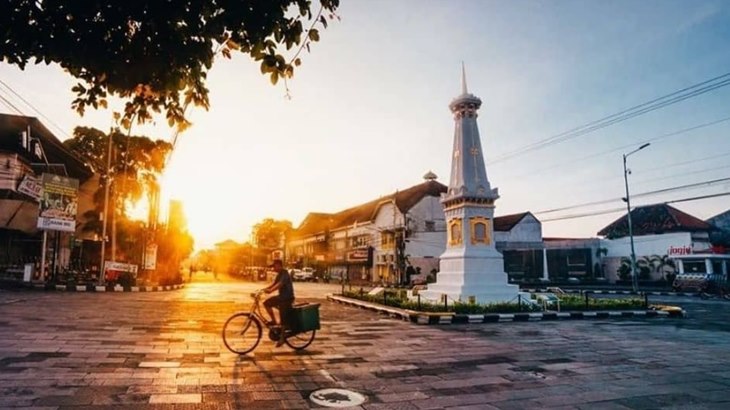
Yogyakarta, also commonly called Jogjakarta or Jogja, is located in the southern part of Java Island and bordered by the Provinces of Central Java and the Indian Ocean. It is referred to as the student city because one can find some of the top universities in Indonesia, for example, Gadjah Mada University. Many students from all over Indonesia come to this city to study at one of the universities that is why it is called the student city.
It is not just the student city, but also known as the cultural city. Jogja is known for its Sultanate. Right now the city is governed by Sultan Hamengkubuwono and Prince Paku Alam as the vice governor. Because of this Sultanate, the local culture is still held in high esteem and is not affected by modern times.
That was a little information about Jogja’s city, and now I want to continue with the tourist attractions. I will divide this post into two parts because I realized that there are many good places to talk about and one post is not enough for me. Thankfully, unlike Puncak or Bandung, Jogja is more tourist-friendly because it is the most popular tourist destination after Bali. One does not have to have fear of not being able to communicate because there will be more people who can speak in English.
Let us start with the first three destinations
- Borobudur Temple
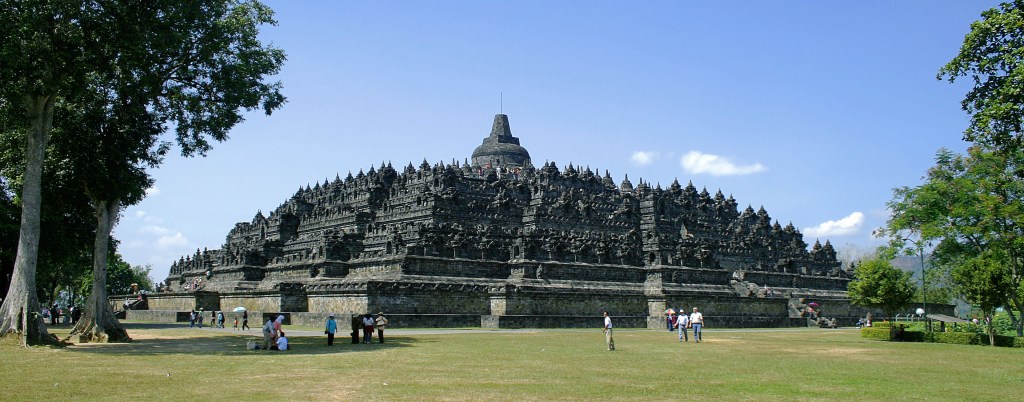
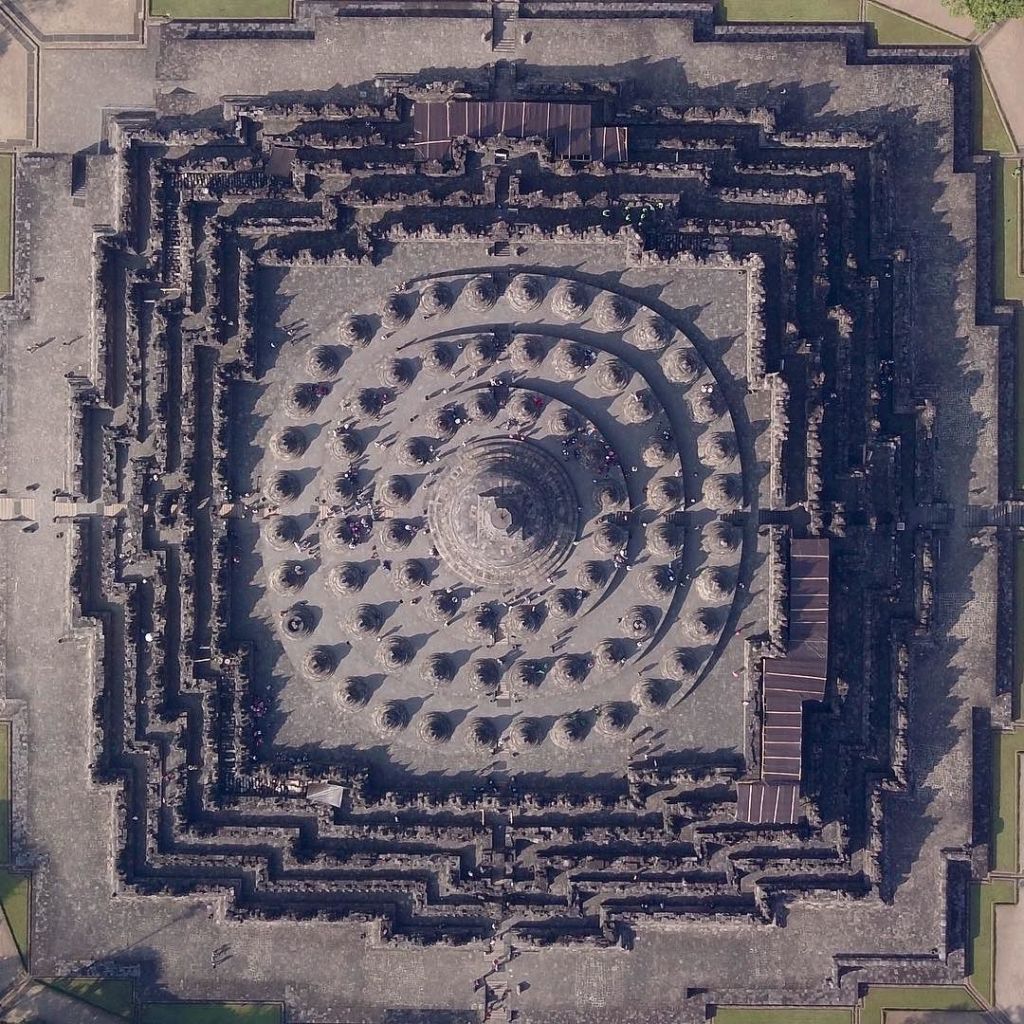
The main tourist attractions in Jogja are mostly 1000-year-old temples and Borobudur temple is one of them. It is the world’s largest Buddhist temple. The temple consists of nine stacked platforms, six square and three circular, topped by a central dome. It is decorated with 2,672 relief panels and 504 Buddha statues. The central dome is surrounded by 72 Buddha statues, each seated inside a perforated stupa. It is located in Magelang about 40 km from downtown Jogja and easily accessible by private/rental vehicles and public transportation.
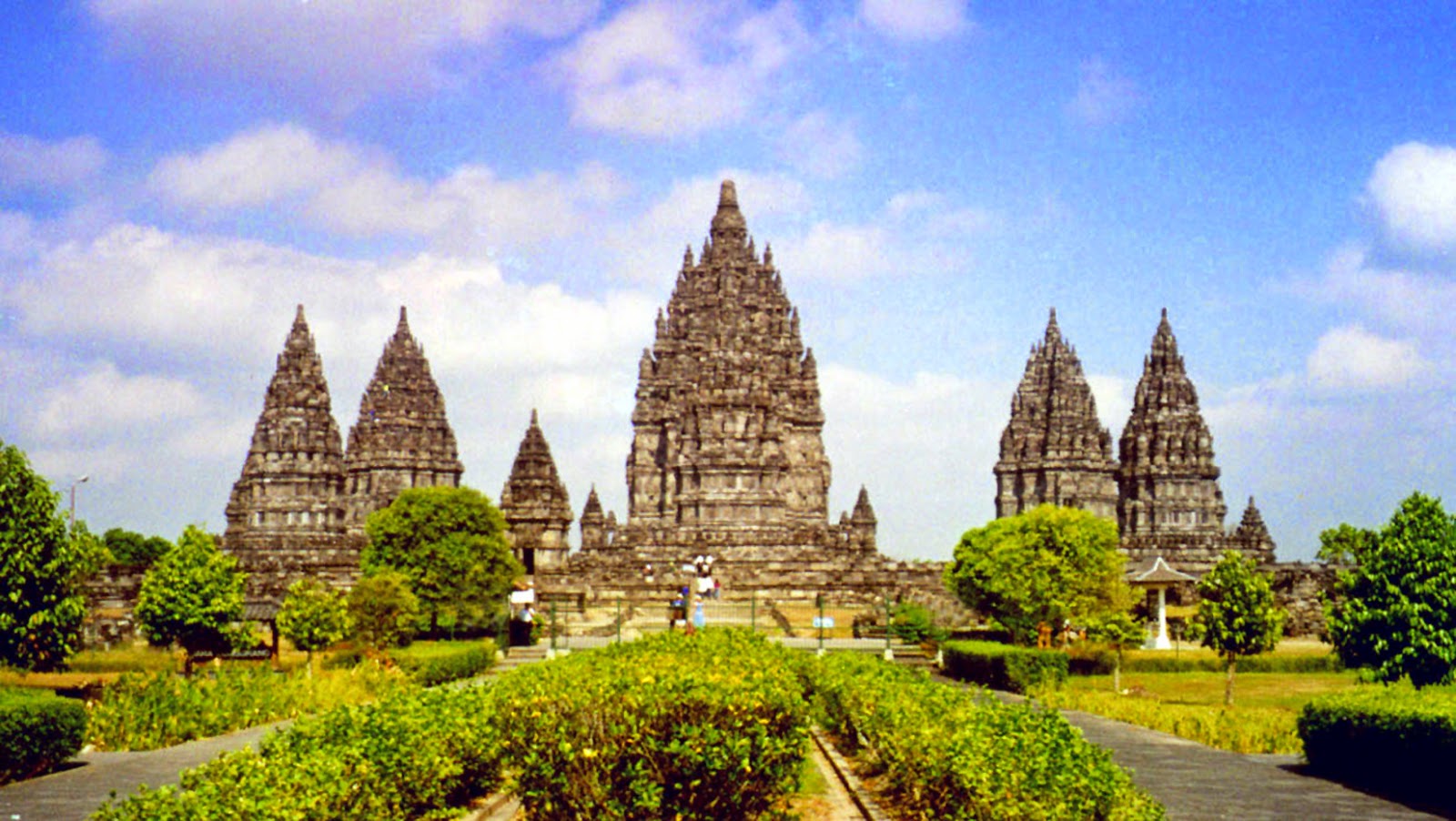
2. Prambanan Temple
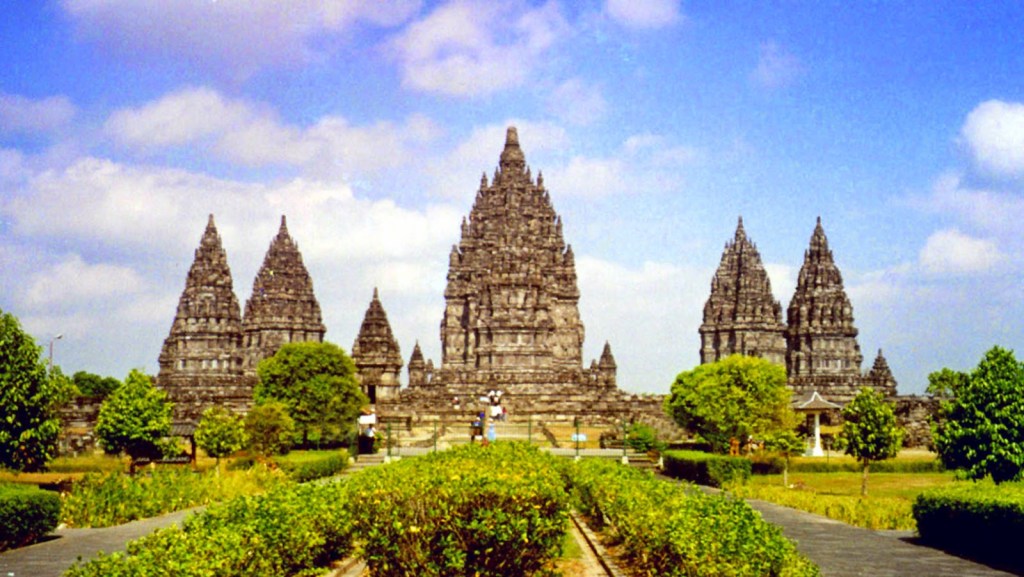
Prambanan is the 9th-Century temple built as the dedication to the Trimūrti (the triple deity of supreme divinity in Hinduism), the expression of God as the Creator (Brahma), the Preserver (Vishnu) and the Transformer (Shiva). It is the largest Hindu temple site in Indonesia and the second-largest in Southeast Asia. It is located in the east part of Jogjakarta and can be easily accessed with the bus.
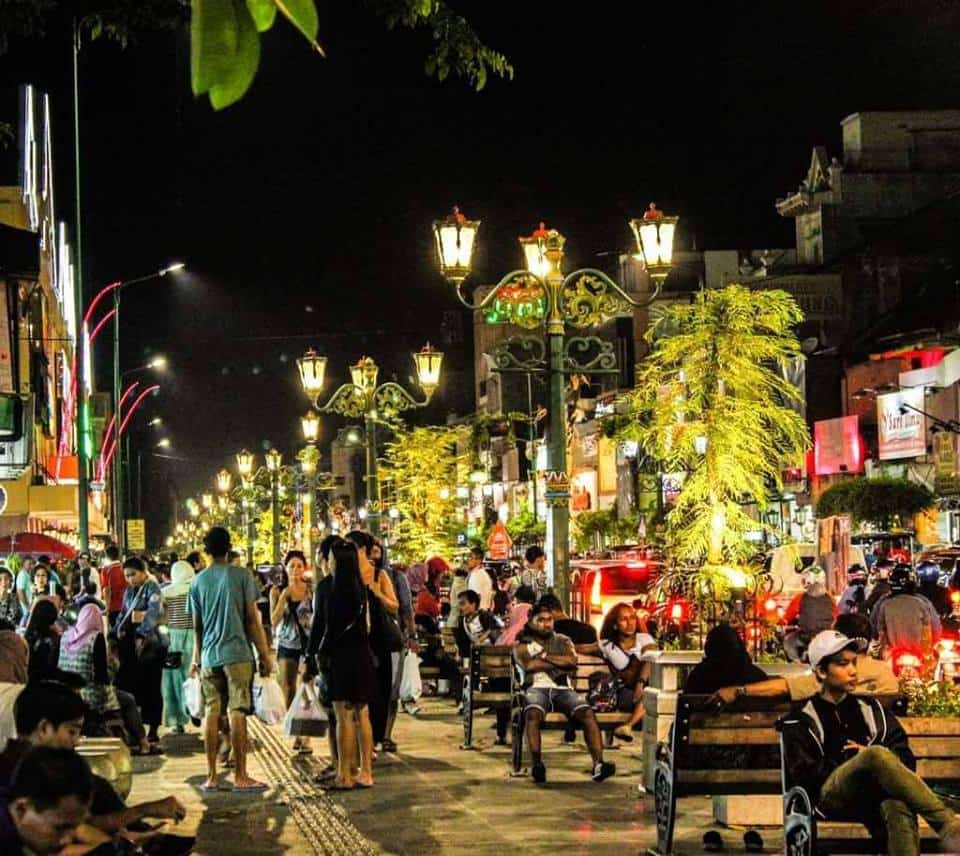
3. Malioboro Street
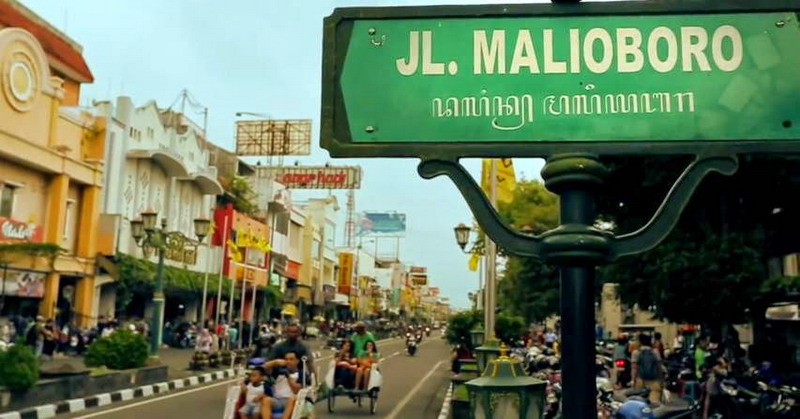
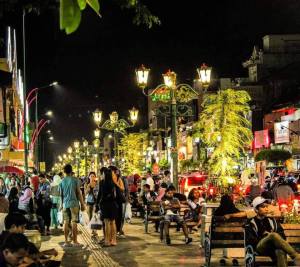
Malioboro is the heart of Jogja’s city. It is located in downtown and one of the busiest business districts in the area. Best way to explore the streets are on foot or one can hire a becak (pedicab) or the ubiquitous four-wheeled horse-drawn carts called “Andong.” Along the streets, one will find many clothing shops and local food cuisine. Jogja is also known for the Batik. Batik is a technique of wax-resist dyeing applied to a whole cloth and also the name of the cloth produced using this technique, originally from Indonesia. In the shops along Malioboro Street, one can buy various designs of Batik clothing.
That is all for today’s post. I will tell you about more places in another post so make sure to always standby. Thank you for reading!


 Indonesia Tour