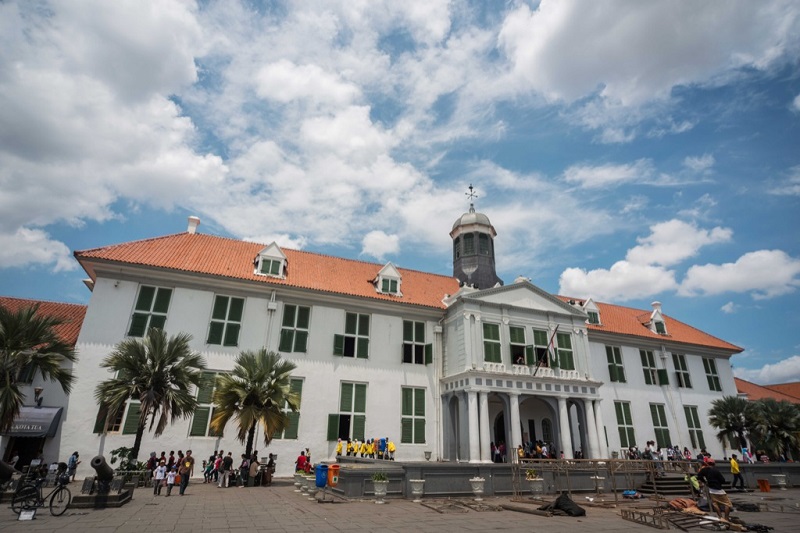
On my last post, I had mentioned Kota Tua, and I promised to write about it. In this post, I will tell you about the history of the old town called Batavia, the former name of Jakarta and Kota Tua itself. Kota Tua is a reminent of Old Batavia, the first walled settlement of the Dutch in the Jakarta area.
In 1526, Fatahillah, a 16th-century commander of the Sultanate of Demak, invaded the Hindu Pajajaran’s port of Sunda Kelapa, after which he renamed it Jayakarta. Before Indonesia got its name and became an independent country, it was colonized by the Dutch. At that time, Indonesia was still called the Dutch East Indies. In 1619 the VOC (the Dutch East Indies company) destroyed Jayakarta and a year later built a new town named “Batavia” after Batavieren, the Dutch ancestors.
During the 17th century, the city was the Asian headquarters of VOC during the heyday of the spice trade. The area was called the “Jewel of Asia” by European sailors because of its strategic location for trading goods especially spices. The city was only fifteen hectares (about 150.000 m2 ) in size and was expanded around 1630 by VOC. It was first centered around the east bank of the Ciliwung River but expanded towards the west bank of the river. The Dutch also built the walls around the city, public squares, churches, etc. No native Javanese or locals were allowed to live within the city walls because the government was afraid that they would make a riot.

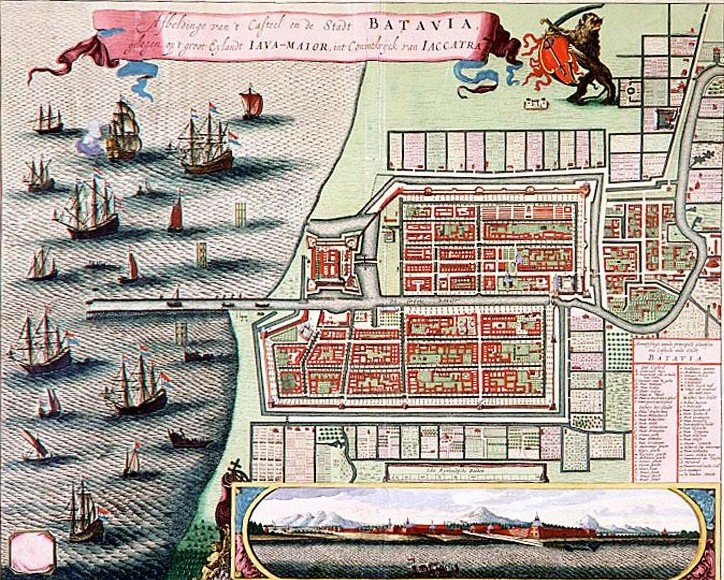
In the late 18th century, the town was slowly becoming abandoned, probably because of the canals with their near-stagnant water and also the warm and humid climate. The city retained its status as the administrative center of Dutch East Indies when the VOC transferred its possession to the monarchy of the Netherlands in 1800 because of bankruptcy. Because the town was already neglected, they moved the city’s administration to another part of the city called Weltevreden (now it is called Sawah Besar.) Due to financial problems, however, much of the old town, its wall, and the castle of Batavia were torn down for construction materials to build a new government and civic buildings.
From 1835 to 1870, more and more people moved out of the old city, leaving it quite empty. In 1900, the ethnic Chinese people occupied the former mansions and shops and converted them into offices. Because of that Batavia was able to become the business district again. After the independence of Indonesia, the business and banking district was moved to another part of the city called Thamrin. In 1972, Jakarta’s Governor, Ali Sadikin, proclaimed the Kota Tua to become a heritage site. Despite the Governors’s order, Kota Tua remained neglected.
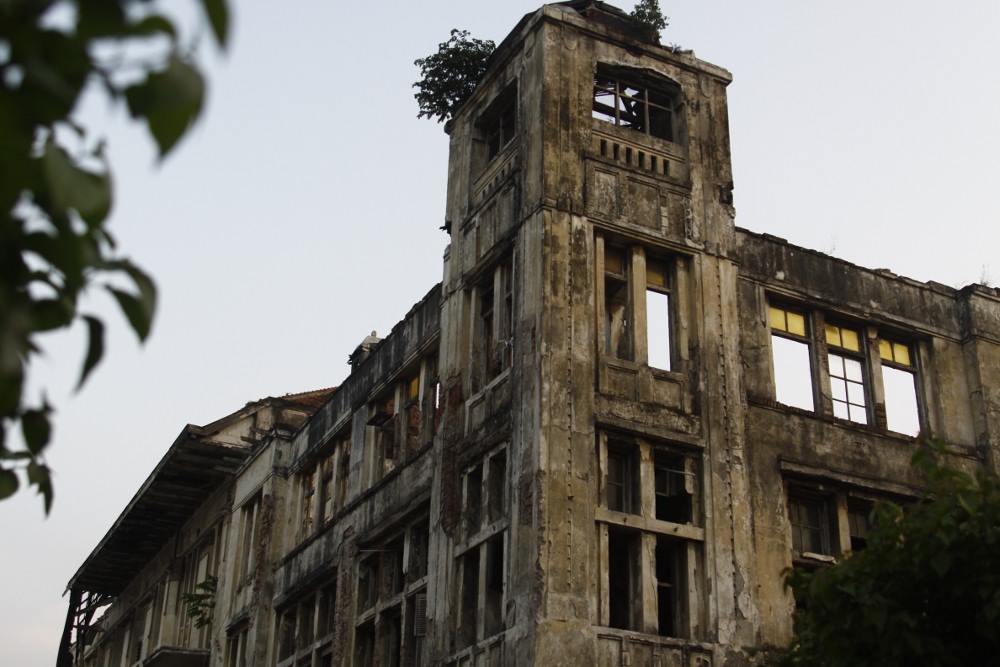
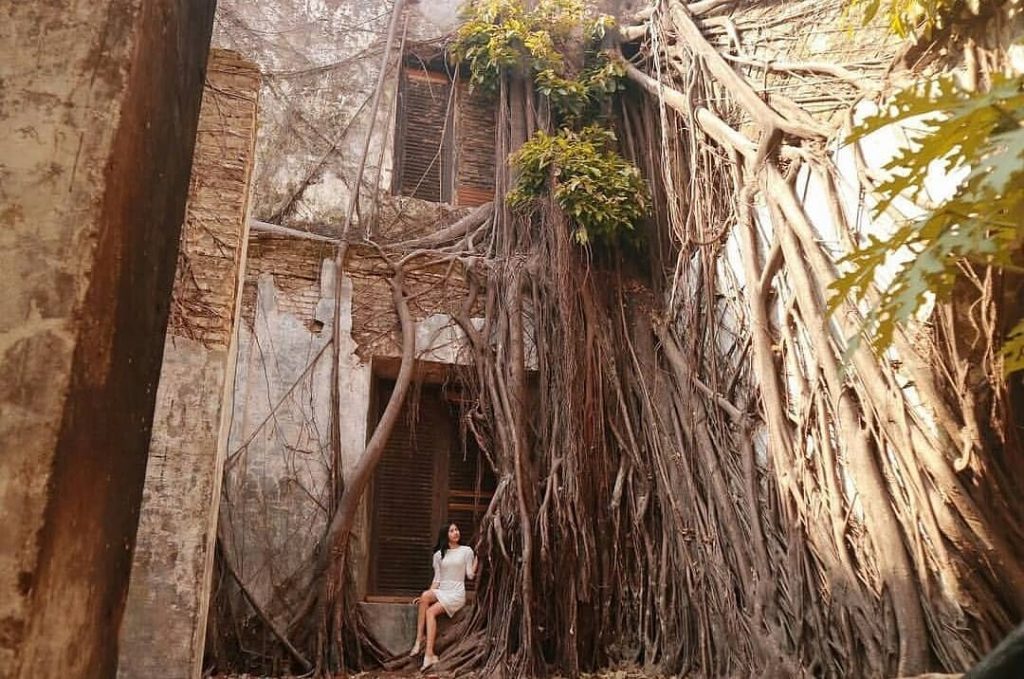
By August 2014, sixteen buildings had been restored and converted into a temporary museum. Despite its development, the government still has more to do because most of the colonial architecture remains in ruins up to this day. Of course, the role of young people is also important. Without them, the city may be forgotten.
That is all for today’s post and see you in my next post.
 Indonesia Tour

